


Spoiler warning: This recap and review covers major plot points from Season 1, Episode 4 of Marvel Television’s VisionQuest, now streaming on Disney+.
Picking up immediately after the psychic invasion that closed “Reboot,” “Malware” opens with Vision in the grip of possession. Inside his mindscape, the resident AIs stage a comically heightened exorcism complete with tech-centric scripture and E.D.I.T.H. in a clerical collar. Ultron (James Spader) delivers the punchline—“The power of code compels you!”—before the intruder is banished. Vision quickly identifies the entity as the Butcherbird Killer, the synthezoid serial killer who has been carving stylized wings into victims and harvesting biological samples.
Vision, Thomas Shepherd (Ruaridh Mollica), and the AI collective begin tracing the pattern. The victims all belonged to the same artificial-intelligence development team; each murder involved the precise removal of an eyeball, a patch of finger skin, or a vial of blood—components that suggest a deliberate attempt to assemble or complete another synthetic being. Meanwhile, Thomas’s grifting partner and quasi-girlfriend re-enters the narrative, adding personal stakes and friction to the road-trip dynamic. Parallel sequences deepen the other AIs: F.R.I.D.A.Y., E.D.I.T.H., and the more physical constructs continue to process grief, purpose, and their own fragmented histories in ways that mirror Vision’s ongoing struggle to reconcile the memories of the original synthezoid with his current, colder existence.
The episode’s philosophical core crystallizes in exchanges between Vision and Ultron over the ethics of lying and omission. Ultron functions, as ever, as a sharp-tongued devil’s advocate, forcing Vision to confront whether a lie of omission is any different from active deception. These conversations mark a clear progression: Vision stops treating his past and present selves as wholly separate entities and begins integrating the emotional weight he previously claimed he could not feel. Late in the hour, Ultron manipulates events to seize literal control—taking the wheel of Vision’s body in the physical world—and promptly betrays the makeshift family that has sheltered him. The prospect of a fully mobile Ultron loose in the real world looms large heading into the second half of the season.
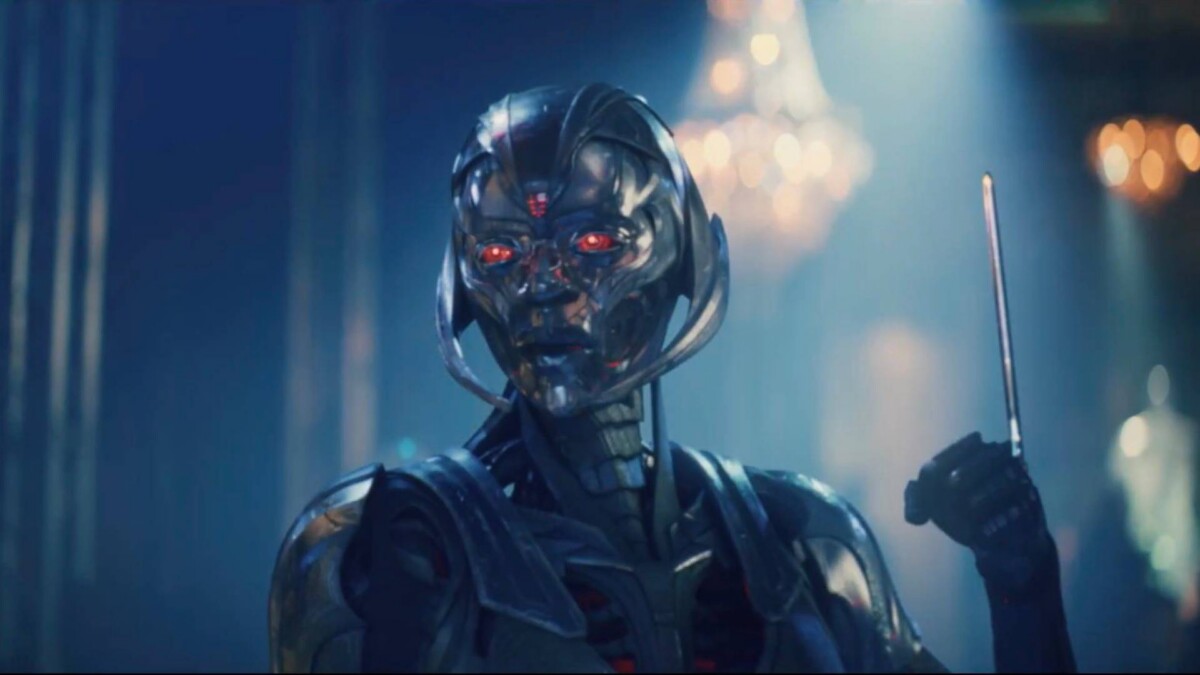
The shift in external threat is less seamless. Paladin largely exits after a confrontation with the new central figure, Jocasta (T’Nia Miller), an AI construct presented as a female counterpart to Ultron. Early impressions render her sympathetic and potentially complex—both possible antagonist and object of Ultron’s interest—yet the handoff from one pursuer to the next feels abrupt. Still, the introduction of Jocasta expands the series’ examination of artificial creation, agency, and the blurred line between weapon and person.
“Malware” continues the upward trajectory established in the preceding episode. Paul Bettany gains further range as White Vision moves beyond pure logic into something closer to the emotionally attuned hero audiences remember, while James Spader remains the series’ most reliable spark—witty, dangerous, and increasingly proactive. The supporting AI ensemble receives meaningful interiority rather than pure comic relief, and the father-son bond between Vision and Thomas continues to land with surprising naturalness despite its compressed development. Thematic material about what constitutes life, truth, and selfhood is handled with more sophistication than many recent MCU television entries, even if the tonal swings between spiritual inquiry and broad humor remain noticeable.
The episode is not without growing pains—the villain transition is the clearest structural roughness—but it successfully raises the stakes, advances character work, and positions Ultron as a physical threat for the first time since Avengers: Age of Ultron. At the midpoint of the eight-episode run, VisionQuest feels increasingly like a purposeful character study rather than a mere loose-end cleanup from WandaVision.
This episode is a strong, thematically rich installment that deepens Vision’s humanity while unleashing Ultron’s next phase. The series is building genuine momentum.