


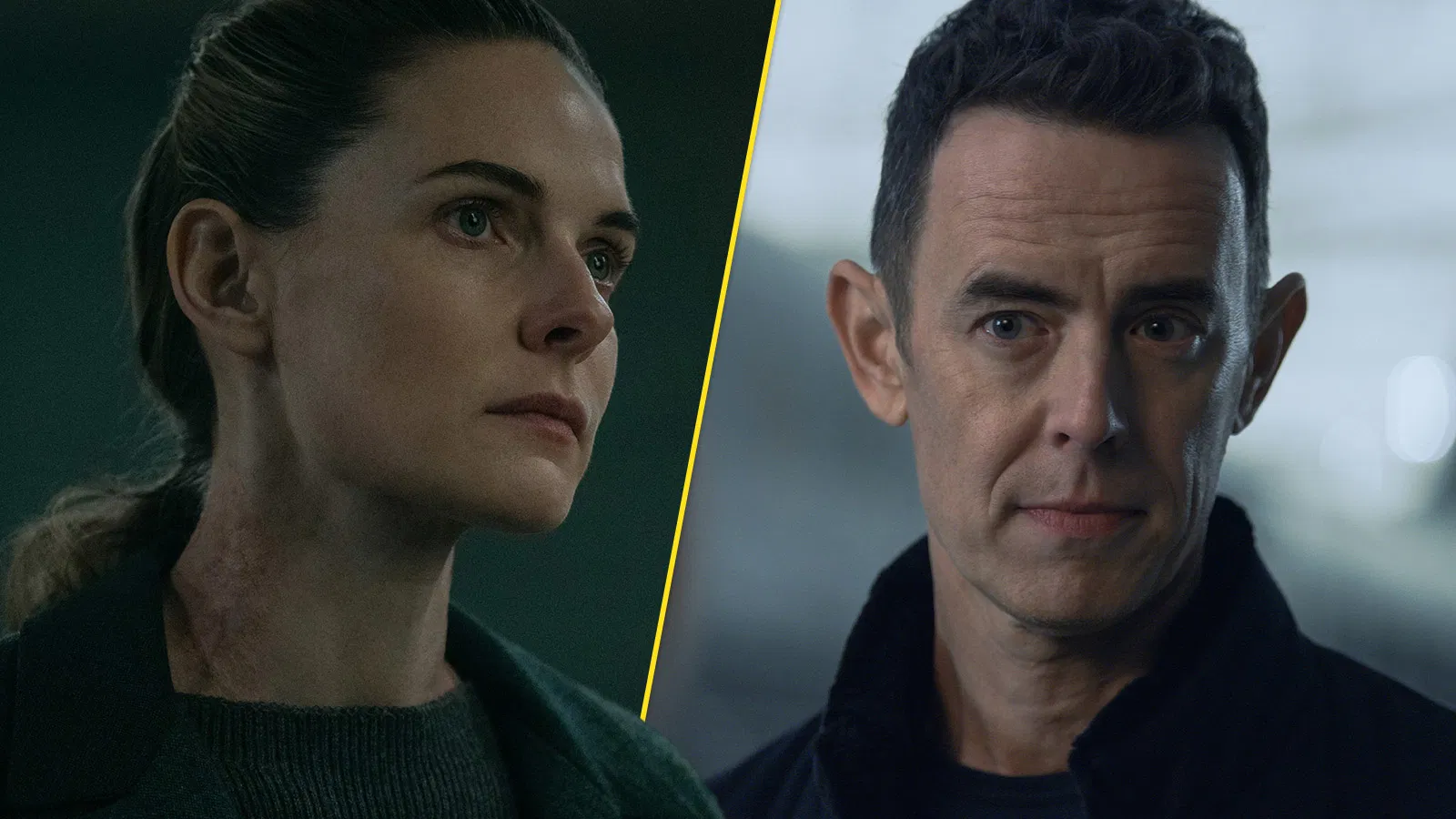
Apple TV+’s dystopian series continues its strong third season with “Radio,” a taut and consequential hour that heightens the pressure on Juliette Nichols while offering the clearest glimpse yet of the silos’ origins. Directed by Aric Avelino and written by Remi Aubuchon, the episode balances urgent present-day crisis with measured expansion of the Before Times storyline.
“Radio” ranks among Season 3’s most effective installments. It delivers genuine tension, forces difficult moral choices, and advances the dual-timeline structure without losing focus. Rebecca Ferguson remains the steady center, while supporting performances and sharp sound design elevate key sequences. The episode occasionally loses momentum during the slower historical segments, but the Silo 18 material is gripping enough to carry the hour.
The following recap contains major spoilers for Season 3, Episode 7.
Juliette learns that Camille has begun introducing Vitamin D+ into the silo’s water supply, accelerating the risk of widespread memory loss. In response, she moves up the planned expedition and dispatches Lukas Kyle and Patrick Kennedy toward Silo 17. Their dual objectives are to recover technical plans that could help disable the Safeguard system and to check on the children still living in the neighboring silo.
Once outside, the pair confronts a desolate landscape. Kennedy is struck by the barren reality, while Lukas is momentarily overwhelmed by the night sky. Radio contact with Martha Walker is interrupted by the sound of approaching drones, followed by gunfire and then complete silence. The Algorithm soon reports that both men have been neutralized.
With the forgetting drug already circulating and the original plan in ruins, the rebels formulate a high-risk alternative. They propose infiltrating Judicial, using remaining protective suits, and detonating explosives to expose or destroy the Safeguard infrastructure. The operation carries the likelihood of significant civilian casualties. Juliette resists until Bernard produces a historical diary belonging to a figure named Mission. The account describes a previous rebellion in which Vitamin D+ triggered mass disorientation and hundreds of suicides. Faced with the documented cost of inaction, Juliette authorizes the mission.
As the team advances into Judicial, Camille confronts her husband Robert, who has been quietly assisting the rebels, and uses a captive nurse as leverage. The bombing countdown reaches its final moments when Kennedy’s voice unexpectedly returns over the radio from Silo 17. Juliette aborts the attack with seconds to spare.
In the parallel timeline, Daniel and Helen are brought before tech billionaire Per Stensen after signing extensive nondisclosure agreements. They are transported to a vast construction site in rural Georgia, where massive drills are excavating the foundations of what will become the silo complex. The scale of the project makes clear that the underground network was planned long before any global catastrophe.
Secondary threads continue to develop. Knox receives new information suggesting his father’s death may have been staged, while Sheriff Billings and Deputy Hank press their investigation into Orla Kent’s murder with limited cooperation from Down Deep figures.
The strength of “Radio” lies in its handling of leadership under pressure. Juliette’s reluctance to order lives into danger feels authentic, and the episode refuses easy answers. The outdoor sequence is particularly well executed, relying on sound design and restrained performances rather than spectacle to create dread. The last-minute radio contact provides a clean, earned twist that resets the immediate stakes without undermining the preceding tension.
Camille remains a compelling antagonist, her rigid commitment to control clashing effectively with Robert’s growing moral conflict. Common continues to portray that internal struggle with quiet intensity. The Mission diary sequence successfully ties the present crisis to the broader history of the silos and offers a meaningful connection to Hugh Howey’s source material.
The Before Times material is more uneven. Colin Hanks brings a sharp, self-aware edge to Per Stensen, and the reveal of the excavation site is visually and narratively significant. Yet these scenes still move at a deliberate pace that can feel detached from the urgency unfolding underground. As the season progresses, the two timelines are clearly designed to collide; for now, the present-day story carries more immediate weight.
Side investigations involving Knox’s family and the Orla Kent case provide texture and suggest deeper connections within the Down Deep, though they remain secondary to the central conflict.
“Radio” succeeds as both a standalone thriller and a pivotal chapter in the larger season arc. It forces its characters—and the audience—to confront the human cost of resistance while steadily peeling back the origins of the system that imprisons them. With only a few episodes remaining, the series has positioned itself for a strong finish.
Highly recommended for viewers following the season. The episode rewards close attention and leaves several threads poised for significant development in the weeks ahead.