


McDonald’s, the global fast-food giant, has announced a significant price reduction strategy in 2025 to attract customers amid shifting economic pressures and evolving consumer preferences. This move comes as the company faces increased competition and a need to reconnect with budget-conscious diners.
In recent years, fast-food chains, including McDonald’s, have faced criticism for rising menu prices driven by inflation, higher labor costs, and supply chain challenges. According to industry reports, fast-food prices in the U.S. have risen by over 20% since 2020, outpacing general inflation. This has pushed some customers toward home cooking or competitors offering better value.
McDonald’s decision to lower prices is a response to declining same-store sales, particularly among lower-income consumers. The company aims to reinforce its position as an affordable dining option, a cornerstone of its brand identity since its founding. “We’re listening to our customers,” said McDonald’s CEO Chris Kempczinski in a recent earnings call. “Affordability is back at the forefront of our strategy.”
The price cuts focus on McDonald’s core menu items, including:
-
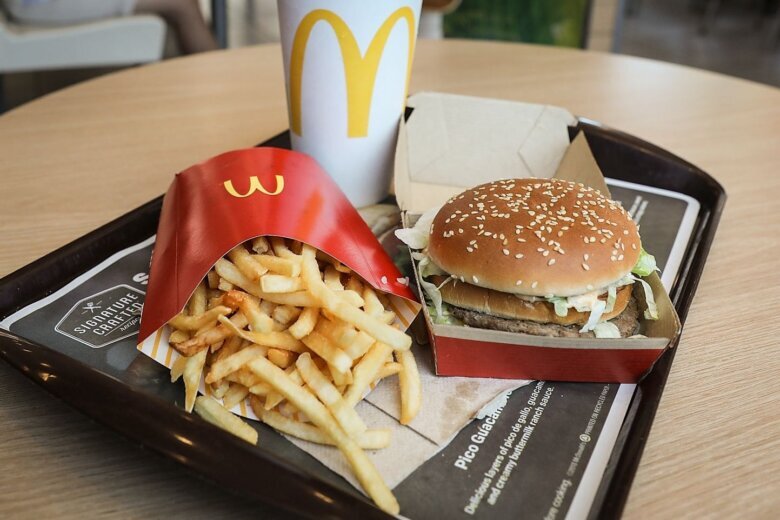
Big Mac: Reduced by approximately 10-15% in participating U.S. locations, bringing the average price closer to $4.50 in some markets.
-
McDouble and McChicken: Now priced as low as $1.99 in select regions, reviving the spirit of the Dollar Menu.
-
Value Bundles: Expanded $5 meal deals, including a sandwich, small fries, a drink, and a 4-piece Chicken McNuggets option.
-
Breakfast Menu: Discounts on staples like Egg McMuffins and McGriddles, with some items starting at $1.50.
These reductions vary by region due to franchisee discretion and local operating costs, but the overarching goal is to make McDonald’s a go-to for budget-friendly meals. Additionally, the company is leveraging its mobile app to offer personalized deals, such as BOGO offers and loyalty program discounts, to drive traffic.
McDonald’s isn’t alone in this strategy. Rivals like Burger King and Wendy’s have also introduced value-focused promotions, such as Wendy’s $3 breakfast deals and Burger King’s $5 Your Way Meal. However, McDonald’s scale—over 13,000 U.S. locations—gives it a unique ability to influence market trends. The price cuts are paired with operational efficiencies, such as streamlined menus and digital ordering kiosks, to maintain profitability.
Implementing price reductions across thousands of franchisee-operated locations poses logistical challenges. Franchisees, who bear much of the cost, may resist if profit margins shrink too far. Additionally, McDonald’s must balance affordability with quality perceptions, ensuring that lower prices don’t signal a compromise in food or service.
Looking ahead, McDonald’s is betting that its focus on value, combined with investments in digital ordering and delivery, will solidify its market leadership. The company is also testing new budget-friendly menu items, such as smaller portion options, to appeal to cost-conscious consumers without sacrificing choice.
McDonald’s price reduction strategy marks a pivotal moment for the fast-food industry, signaling a return to affordability as a core competitive advantage. By lowering prices on fan-favorite items and expanding value deals, the company aims to recapture its budget-friendly reputation while navigating a complex economic landscape. Whether this move will drive long-term growth remains to be seen, but for now, customers can enjoy a cheaper Big Mac.