


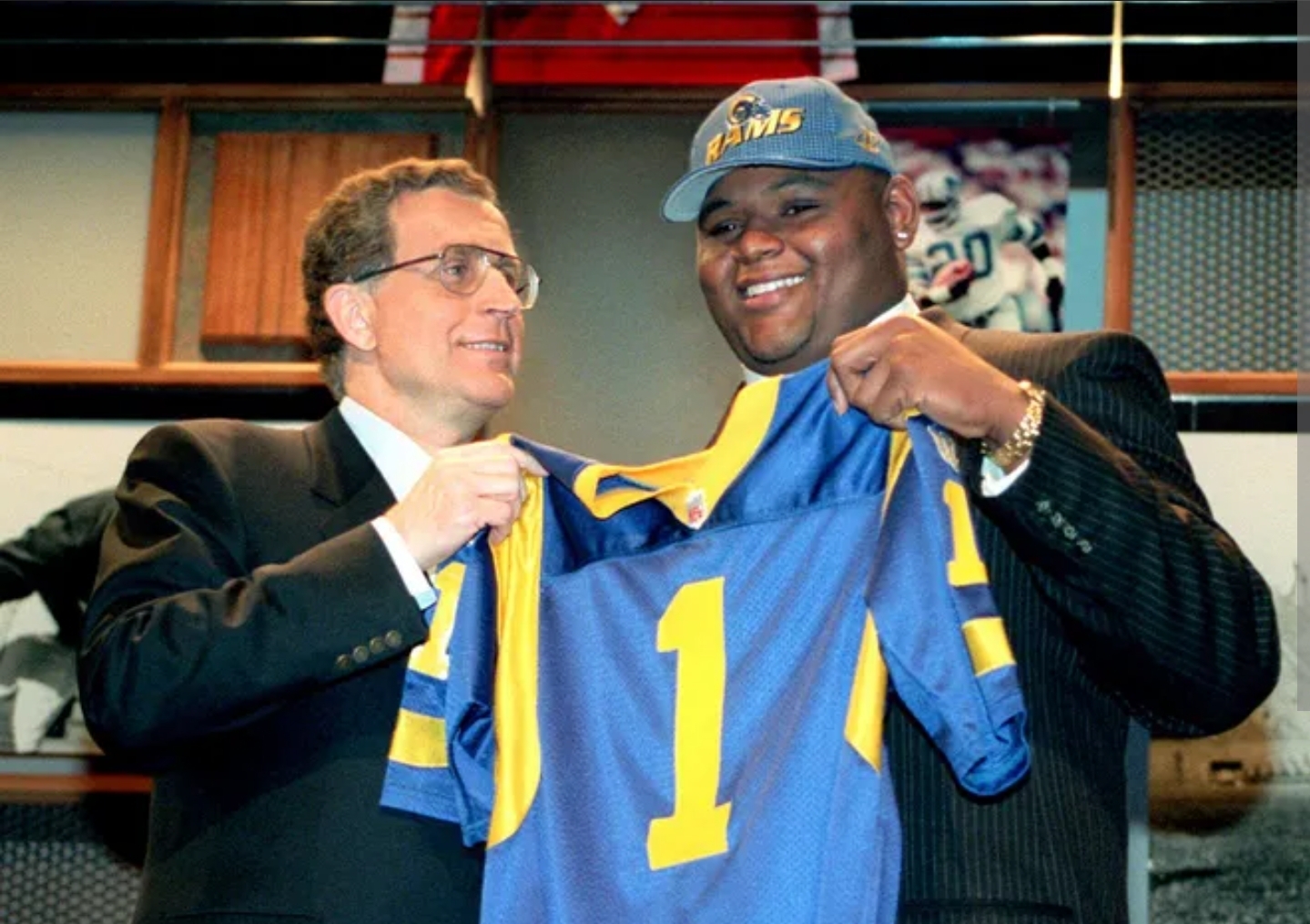
Paul Tagliabue, the transformative NFL commissioner who guided the league to unprecedented growth, died today at his Chevy Chase, Maryland, home. He was 84. The cause was heart failure complicated by Parkinson’s disease.
Tagliabue’s quiet leadership turned the NFL into a global powerhouse, leaving a legacy of innovation amid challenges.
Born November 24, 1940, in Jersey City’s working-class Heights, Tagliabue excelled in basketball at Georgetown University, captaining the team and graduating with honors. A Rhodes Scholar finalist, he earned a law degree from NYU in 1965 and joined Covington & Burling, specializing in sports law. By 1989, he succeeded Pete Rozelle as commissioner, serving 17 years.
Tagliabue expanded the NFL from 28 to 32 teams, adding franchises like the Panthers, Jaguars, Texans, and a revived Browns. He launched NFL Europe for international reach, secured labor peace and massive TV deals, and relocated Super Bowl XXVII to protest Arizona’s snub of Martin Luther King Jr. Day.Post-9/11, he postponed games and rescheduled Super Bowl XXXVI for national healing. He kept the Saints in New Orleans after Hurricane Katrina. Team moves—like the Browns to Baltimore—drew fan backlash, and his era’s slow response to concussions sparked later criticism, despite his 2020 Hall of Fame induction.