


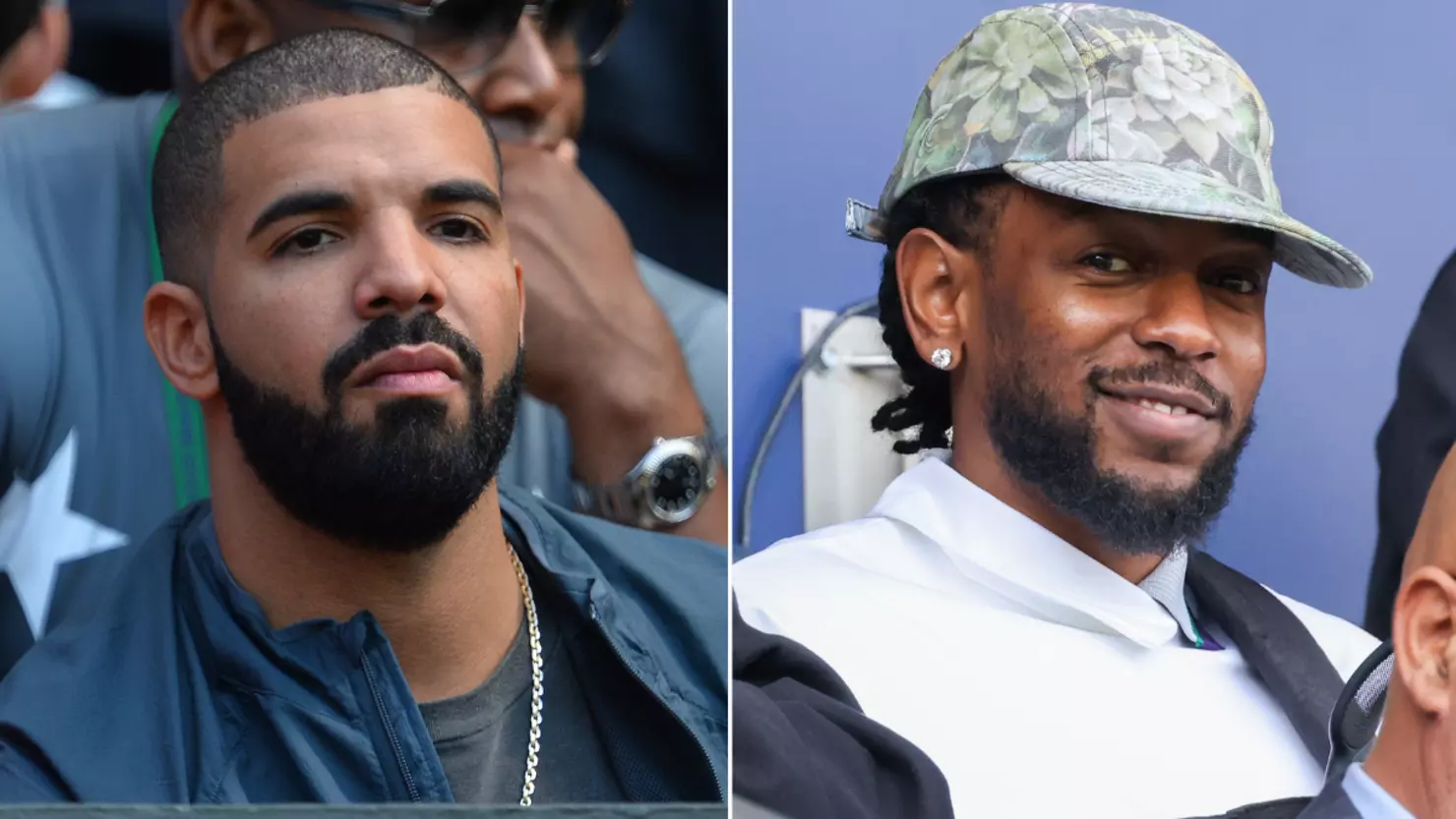
In a ruling that underscores the raw, unfiltered nature of hip-hop beefs, a federal judge in New York dismissed rapper Drake’s defamation lawsuit against Universal Music Group (UMG) on Thursday, determining that the incendiary lyrics in Kendrick Lamar’s blockbuster diss track “Not Like Us” constitute protected opinion rather than verifiable facts.
U.S. District Judge Jeannette A. Vargas granted UMG’s motion to dismiss the suit filed by the Canadian superstar, born Aubrey Graham, in a decision that highlighted the context of the ongoing rap rivalry. “Although the accusation that Plaintiff is a pedophile is certainly a serious one, the broader context of a heated rap battle, with incendiary language and offensive accusations hurled by both participants, would not incline the reasonable listener to believe that ‘Not Like Us’ imparts verifiable facts about Plaintiff,” Vargas wrote in her opinion.
The lawsuit, initiated in January, accused UMG—the label behind both artists—of knowingly promoting and distributing Lamar’s May 2024 track despite its allegedly false claims that branded Drake a predator. Drake’s legal team argued the song not only damaged his reputation but also incited real-world threats, including attempted break-ins at his Toronto mansion and the shooting of a security guard outside his home. The track’s cover art, featuring an aerial shot of the property overlaid with sex offender markers, was cited as particularly inflammatory, though the judge dismissed it as “obviously exaggerated and doctored.”
The Drake-Kendrick Lamar clash, dubbed by Vargas as “perhaps the most infamous rap battle in the genre’s history,” ignited in spring 2024 amid a flurry of diss tracks that escalated from playful jabs to deeply personal attacks. It began with Drake’s “Push Ups,” which mocked Lamar’s height, shoe size, and commercial success. Lamar fired back with “Euphoria,” critiquing Drake’s style and authenticity, before unleashing “Not Like Us”—a chart-topping anthem with a infectious beat that explicitly calls out Drake as a “colonizer” of hip-hop and implies predatory behavior with lines like “I hear you like ’em young.”
The song became a cultural phenomenon, earning record of the year and song of the year at the 2025 Grammys and serving as a highlight of Lamar’s Super Bowl halftime performance earlier this year, which drew record viewership amid fan speculation. Despite its success, Drake maintained the lyrics crossed into defamation, alleging UMG amplified the track’s reach for profit.
Vargas, however, emphasized the genre’s conventions: “Not Like Us” is “replete with profanity, trash-talking, threats of violence, and figurative and hyperbolic language, all of which are indicia of opinion.” She added that no reasonable listener would expect a diss track to deliver “factchecked verifiable content,” likening it instead to “hyperbolic vituperations” in a “vitriolic war of words.”
Drake’s camp wasted no time signaling a fight ahead. “We intend to appeal today’s ruling, and we look forward to the Court of Appeals reviewing it,” his legal team stated, leaving the door open for further litigation.
UMG, meanwhile, celebrated the dismissal as a win for artistic freedom. “From the outset, this suit was an affront to all artists and their creative expression and never should have seen the light of day,” the label said. “We’re pleased with the court’s dismissal and look forward to continuing our work successfully promoting Drake’s music and investing in his career.”
The decision arrives at a pivotal moment for hip-hop, where personal disses have long fueled creativity but increasingly blur lines with potential legal pitfalls. By framing the lyrics as opinion within the “forum” of a rap battle, Vargas’s ruling reinforces First Amendment protections for exaggerated rhetoric in music, potentially shielding artists from similar suits in the future. Legal experts suggest it could set a precedent, emphasizing context over literal interpretation in defamation claims involving artistic expression.
As Drake mulls his appeal, the beef’s echoes linger—not just in courtrooms, but in the playlists and conversations that made “Not Like Us” a defining anthem. In the end, as Vargas noted, the average fan knows a diss track isn’t journalism; it’s warfare, waged in rhyme. Whether this chapter closes the book on Drake vs. Kendrick remains to be seen, but for now, the judge has declared the mic firmly in Lamar’s hand.