


Apple TV’s Silo has spent three seasons asking who built the cages and who still holds the keys. Season 3’s finale, “Troy,” answers both questions with a cold, devastating clarity that rewires the entire series.
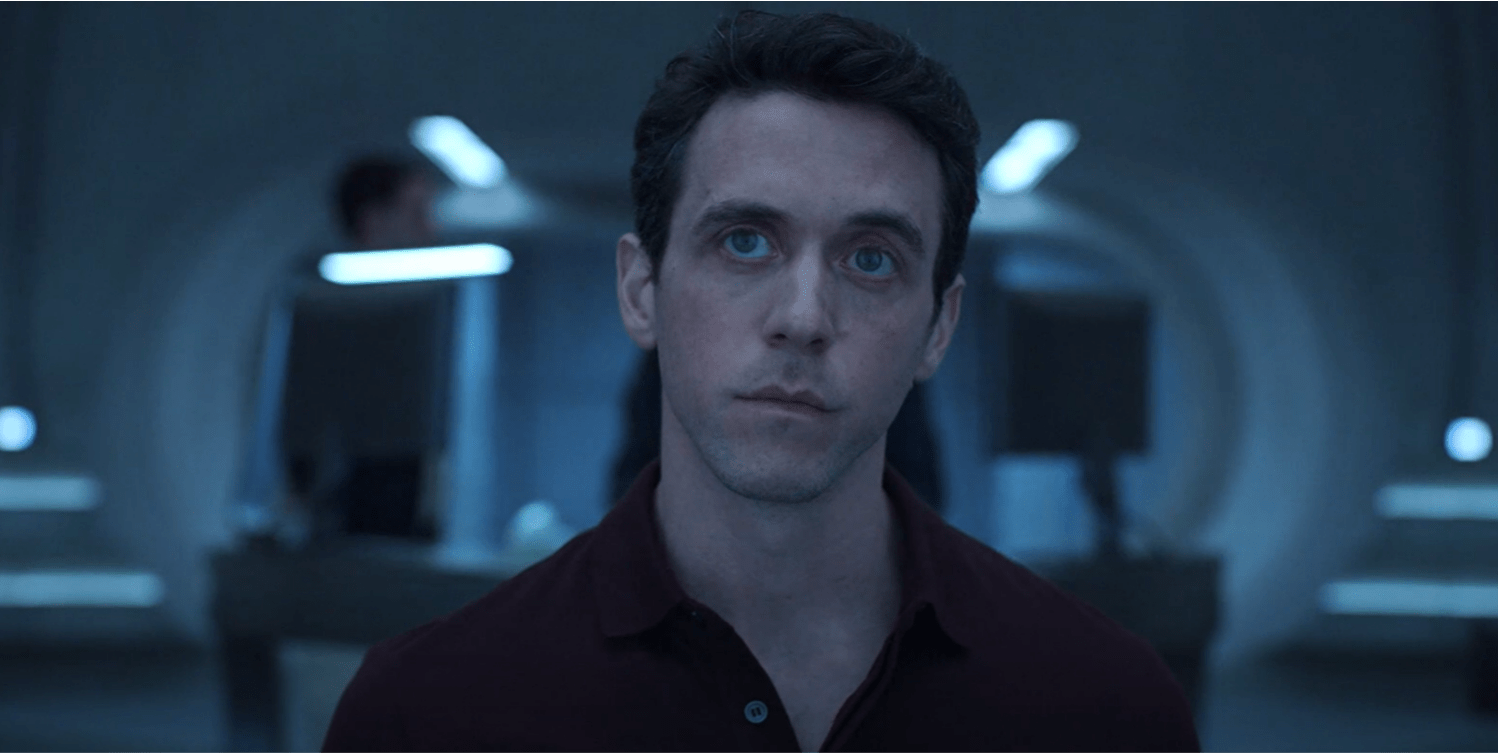
The episode opens not in Silo 18, but centuries later and far above the people we have been following. Daniel Keene wakes from cryosleep. He is no longer Daniel. He is Troy. Victor Crnkovich is there to greet him, and the first crisis on the board is Silo 17.
What follows is one of the most brutal sequences the show has ever staged. Residents of Silo 17 pour into the open air, celebrating what they believe is freedom. Troy orders them killed. When drone commander Susan refuses, he has her removed and carries out the strike himself: gas first, then bullets. He switches the feed to thermal imaging and cuts the audio so the people become colored shapes instead of screaming human beings. The official count lands around 9,835 dead. The show does not look away. It also does not let you forget that the man giving the order used to be the congressman who wanted to save his wife and unborn child.
That massacre is the season’s moral center. Everything else is aftermath and consequence.
Back in Silo 18, the clock is still running from last week’s explosions in the mines. The Safeguard is real, and Silo 1 is prepared to use it. The voice Camille Sims has been taking orders from — the so-called Algorithm — is Victor. He has been on shift, speaking as the system, trying to finish what the founders started. Camille asks the question the show has been circling for three years: what does a mass-killing protocol have to do with saving humanity? Victor’s answer is doctrine, not conviction. “Questioning the founders’ prerogatives is a violation.” Then he goes back to his chamber, looks at a photo of his daughter, and shoots himself.
Before he dies, he leaves Troy a private message. The Safeguard on Silo 18 failed. Victor was relieved. And the woman Troy keeps seeing when they thaw him too fast has a name: Helen Drew.
Meanwhile, Juliette and her allies do what the system never expected. Camille switches sides. Raiders go into the mines with oxygen instead of poison. The pipe gets capped. Silo 18 lives. Juliette does not treat that as a happy ending. She goes below the digger, studies the forbidden architecture Lukas found, and reaches the only conclusion that makes sense anymore: Silo 1 will not stop. So Silo 18 has to go to them.
The last image is Troy at a terminal, still hunting a way to finish the job on 18, when Victor’s video plays. He whispers Helen’s name like a man who has just been handed back a piece of himself he was never supposed to keep.
“Troy,” written by Fred Golan and directed by Amber Templemore, is the payoff season 3 was built to deliver. The dual-timeline structure finally locks together. Daniel and Juliette were never parallel stories. They were the same machine, viewed from opposite ends of a very long corridor.
Ashley Zukerman’s work here is exceptional. He has to play a man who is both the idealist we met in the Before Times and the functionary who can order nearly ten thousand deaths without raising his voice. The performance never winks. That is what makes it sickening. Rebecca Ferguson remains the show’s engine. Juliette does not get a speech about destiny. She gets a decision: stop waiting to be cleaned and start planning an attack.
The episode is not perfect. Some of the Silo 1 procedure and cryo logistics are explained just enough to keep the plot moving and not enough to satisfy anyone who wants the full technical briefing. That is a fair complaint. It is also beside the point. Silo has always been about control, memory, and the stories people tell themselves so they can live with what they have done. “Troy” makes those themes concrete and ugly.
Season 3 ends by changing the genre. This is no longer a story about escaping a silo. It is a story about going to war with the people who built all of them. The final season now has a target, a traitor who may not stay a traitor, and a man who just remembered the name of the woman he lost.
That is a hell of a place to leave a show. And it is exactly where Silo needed to go.