


As the Midsummer Classic approaches, Major League Baseball once again finds itself grappling with a familiar issue: its All-Star starter selection process has devolved into little more than a popularity contest, where name recognition, fanbase mobilization, and past glory often outweigh current-season merit. While the game remains a celebration of the sport’s best, the fan-voting mechanism that determines the starting lineups increasingly undermines that very premise.
This year’s Phase 1 results underscore the problem. Toronto Blue Jays fans, riding high from recent postseason memories, have flooded the ballots, propelling players like Ernie Clement—who earned an automatic starting spot as the AL’s top overall vote-getter—into prominent positions despite competition from more statistically dominant performers across the league. Similar dynamics have played out in other markets, where established stars or marketable names hold sway even as lesser-known or emerging talents deliver superior production.
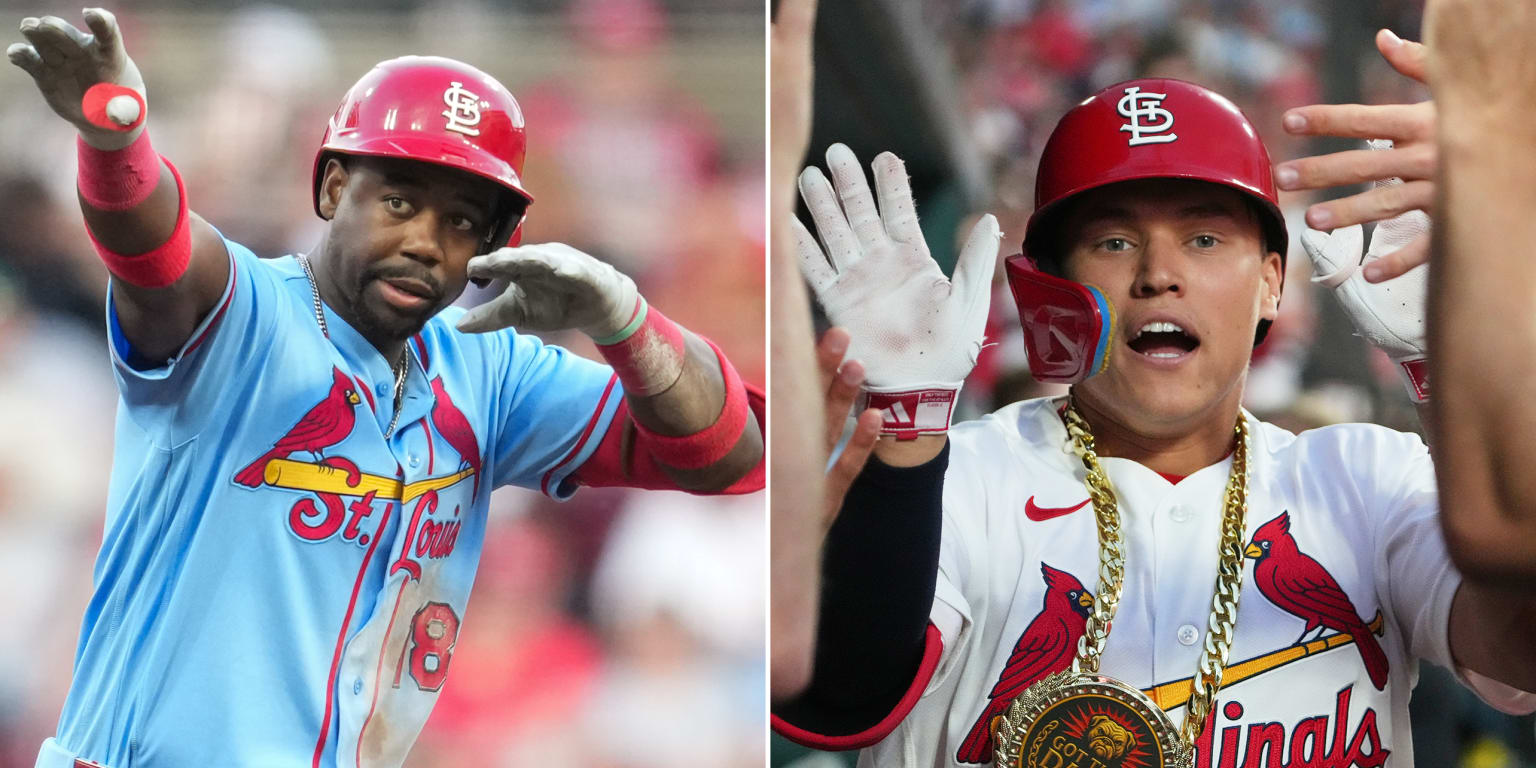
From a Cardinals perspective, the snubs are particularly galling. Jordan Walker has authored one of the most compelling breakout stories of 2026. Through 77 games, the 24-year-old outfielder is batting .290 with 18 home runs, 58 RBIs, 10 stolen bases, and an OPS of .865. His resurgence showcases the power-speed combination and improved approach that made him a top prospect. Yet, despite these numbers and strong underlying metrics (high exit velocity and hard-hit rate), Walker finished eighth among NL outfielders in Phase 1 voting.
Alec Burleson, another steady Cardinal contributor, finds himself in a similar boat at first base. Hitting .288 with 13 home runs, 57 RBIs, and an OPS around .843 through 77 games, Burleson has delivered one of his strongest seasons. Still, he finished a distant fifth behind perennial favorites whose résumés carry more weight than their current stat lines.
JJ Wetherholt, the promising second baseman, has made a strong impression in his first full season, batting around .262 with 12 home runs, 34 RBIs, 8 stolen bases, and an OPS near .775. His emergence has added energy and production to the St. Louis lineup, yet the structural biases of fan voting make it an uphill battle for a player still building his national profile.
These aren’t isolated grievances. Across both leagues, the pattern repeats: voters reward market size, star power, and organized campaigns over objective excellence. High-WAR leaders and breakout performers from smaller markets routinely watch as veterans nursing subpar seasons or part-time contributors secure starting nods. The two-phase format—intended to refine choices—has done little to curb the influence of ballot-stuffing enthusiasm.
Fixing the system doesn’t require scrapping fan involvement entirely—that engagement drives interest and revenue. A realistic, implementable reform could blend the best of fan passion with performance-based accountability. Here’s a practical proposal MLB and the Players Association could adopt:
Hybrid Weighted Voting for Starters
- Fan Vote (50-60% weight): Keep the current two-phase fan voting structure for excitement and broad participation. Fans still drive initial ballots and final starters, with daily voting limits to reduce stuffing.
- Performance Adjustment (40-50% weight): Automatically factor in a composite performance score based on current-season metrics: fWAR (or WARP), OPS+ (hitters), ERA-/FIP- (pitchers, for reserves), defensive value (OAA/FRV), and playing time minimums. This score would adjust final standings without overriding the entire process.
- Automatic Qualifiers and Overrides: Leading statistical performers (e.g., top 3-5 by WAR at each position) receive automatic consideration or bonus weighting. A small expert panel (managers, players’ union reps, and analytics staff) could have limited veto/override power for extreme outliers (e.g., injured or minimally qualified players leading via votes alone).
Additional Tweaks for Integrity
- Tighter Ballot Qualification: Base initial ballots on qualified players or top performers by key stats, shrinking oversized lists.
- Transparency and Education: MLB promotes voting with prominent stat overlays and “Performance Spotlight” features highlighting underrated candidates.
- Reserve and Pitcher Selection: Expand manager/player-selected reserves and keep pitchers under managerial choice (already the case) to balance the roster.
This hybrid approach maintains the democratic fun fans love while ensuring the starting lineup better reflects the season’s actual standouts. It’s feasible within the current CBA framework, builds on existing phases, and avoids fully ceding control to committees (which could feel elitist). Similar weighted systems have succeeded in other contexts, like fantasy sports or awards voting.
MLB has tweaked the process before, but half-measures haven’t solved the core issue. The league’s product is healthier when the All-Star Game accurately reflects the season’s narrative—highlighting breakouts like Walker’s, consistent excellence like Burleson’s, and the rise of talents like Wetherholt—rather than rewarding the loudest fanbases or biggest brands.
Until meaningful changes arrive, we’ll continue seeing deserving players sidelined in favor of those with better marketing. Baseball deserves better. The Midsummer Classic should celebrate the best of 2026, not just the most popular.