


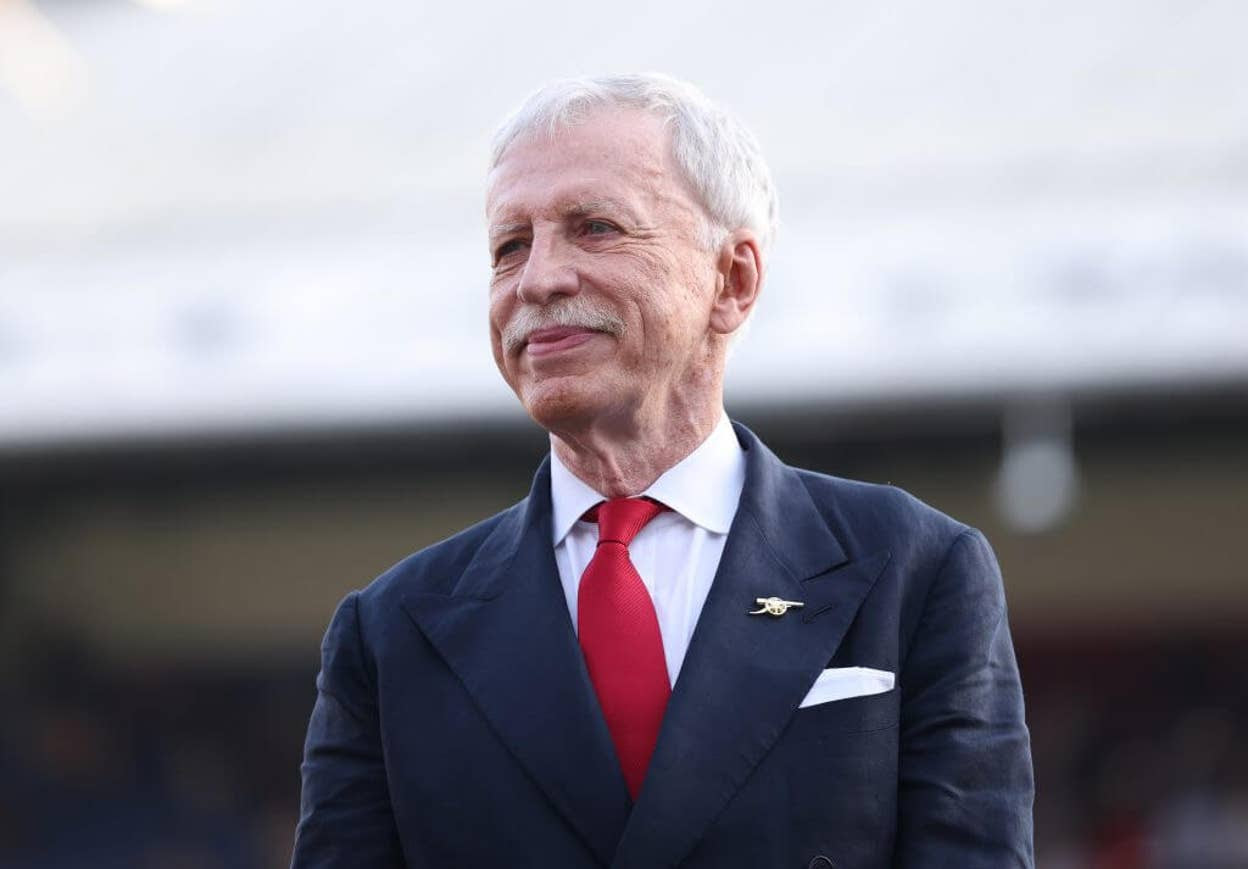
Arte Moreno has agreed to sell controlling interest in the Los Angeles Angels to Stan Kroenke, ending a 23-year ownership tenure that began with a World Series hangover and finished in a decade-plus playoff drought. The deal, announced Tuesday, values the club at a reported $4 billion and is expected to close in the first quarter of 2027, pending Major League Baseball approval.
Moreno bought the Angels from Disney in 2003 for about $184 million. The early years produced division titles. The later years produced frustration, front-office churn, and a franchise that has not reached October since 2014. Angels fans have spent seasons asking him to sell. On Tuesday, he did.
Kroenke Sports & Entertainment will take a controlling stake. Through that holding company and related family structures, Kroenke already controls the Los Angeles Rams of the NFL, the Denver Nuggets of the NBA, the Colorado Avalanche of the NHL, and Arsenal of the English Premier League, along with MLS’s Colorado Rapids and other properties. Add the Angels and he will hold controlling interests across the NFL, MLB, NBA, NHL, and one of world soccer’s most valuable clubs.
St. Louis does not need a press release to remember how he operates.
Kroenke was a minority partner when the Rams arrived in St. Louis in 1995. He became full owner in 2010. In 2010 he said he would try to keep the team here. In 2016 he took them back to Los Angeles, arguing St. Louis was no longer a viable NFL market while he assembled land and a stadium project in Inglewood. The city and county sued. The case ended in a $790 million settlement. SoFi Stadium opened. The Rams won a Super Bowl there. St. Louis was left with an empty downtown promise and a check that did not replace a franchise.
That is the owner now entering baseball.
NFL rules once barred an owner from holding majority control of another major-league team in a different NFL market. To keep the Rams and the Denver clubs, Kroenke transferred the Nuggets and Avalanche to his wife, Ann Walton Kroenke, a Walmart heir, with their son Josh running the teams day to day. The league later dropped the old cross-ownership restriction. The structure remains useful. The Rams sit in one box. The other clubs sit in family and holding-company boxes. The empire is the same. The paperwork is what the bylaws require.
That is how a Missouri real-estate developer who once owned a piece of a St. Louis football team now stands to control an NFL club in Los Angeles, an MLB club in Anaheim, an NBA champion in Denver, an NHL champion in Denver, and a Premier League club in London.
Kroenke’s other teams have won recently: Super Bowl LVI for the Rams, an NBA title for the Nuggets, a Stanley Cup for the Avalanche, a Premier League title for Arsenal. That record is why Moreno’s statement called KSE “the best next owner for the franchise.” It is also why Angels fans, exhausted by losing, may welcome almost anyone who is not Moreno.
St. Louis fans are allowed a colder reading. Kroenke did not invent franchise relocation. He did execute one against a city that had built him a stadium, sold him a story about loyalty, and then watched him leave when a larger market and a privately controlled stadium site were available. The settlement money did not restore Sunday afternoons on the riverfront. It confirmed that the league and the owner could price the damage and move on.
The Angels sale does not reopen that case. It does extend the same pattern: concentrated ownership, family structures that satisfy league rules, and a portfolio that now spans every major American sport plus English soccer. MLB owners still have to vote. If they approve, Kroenke will not merely own another team. He will own the last piece that completed the set.
Anaheim may get a better-run baseball club. Denver already has championships. Los Angeles already has the Rams and the stadium that replaced the Edward Jones Dome in the league’s imagination. St. Louis has the memory of a team that left, a settlement that closed the books, and now the news that the same owner is buying another franchise in the same Southern California market he chose over this one.