


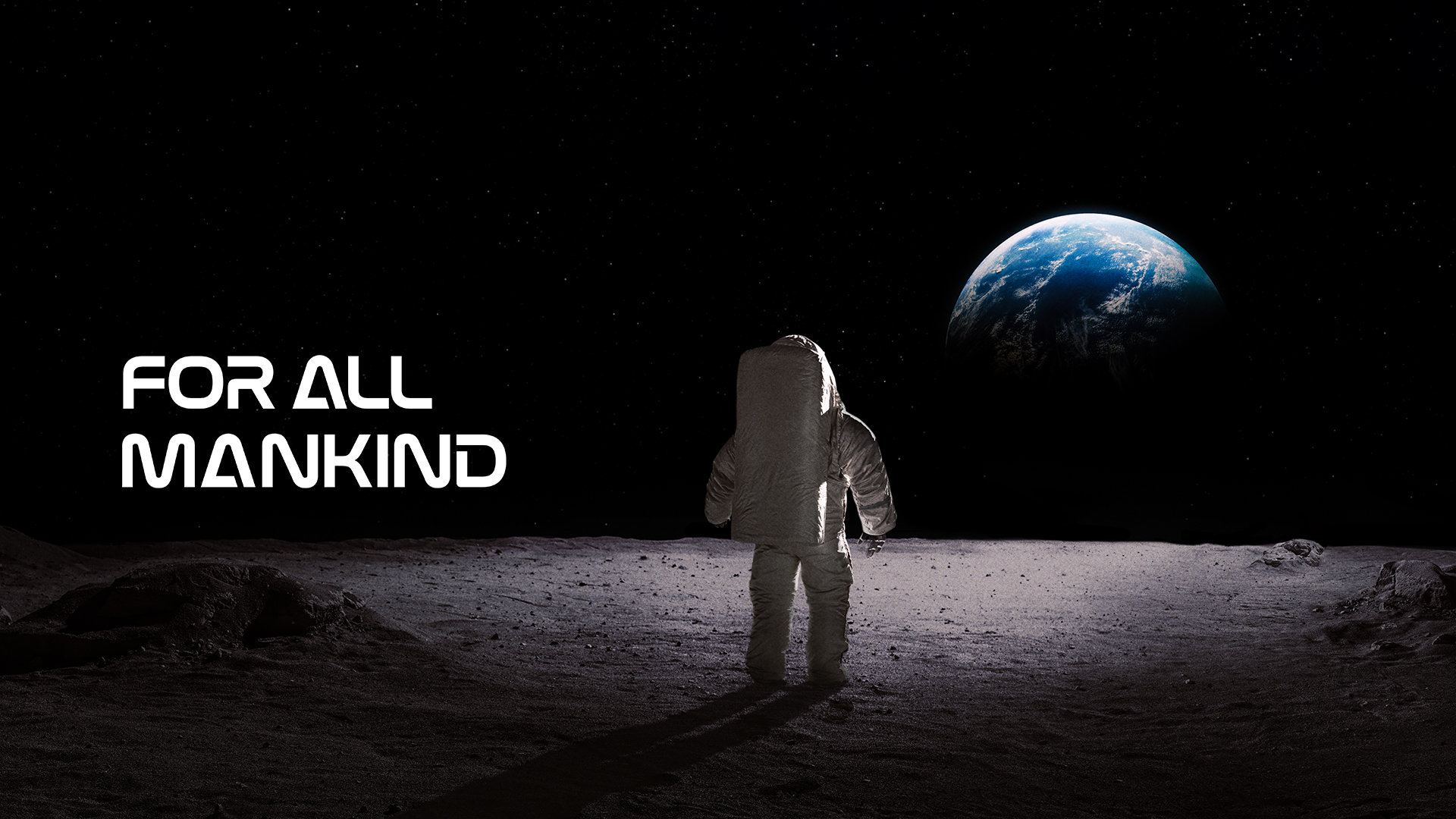
In an era where prestige television often chases spectacle over substance, For All Mankind stands tall as one of Apple TV+’s crowning achievements—a gripping, character-driven saga that imagines a world where the Space Race never ended. Created by Ronald D. Moore, Matt Wolpert, and Ben Nedivi, the series launches from a single, tantalizing divergence: the Soviet Union beats the United States to the Moon in 1969. What follows is a decades-spanning epic of ambition, rivalry, innovation, and human resilience that feels both intimately personal and profoundly optimistic about humanity’s future among the stars.
If you stumbled into the show like myself and many viewers—perhaps after bingeing another Apple TV+ title only to find yourself unexpectedly captivated—you’re not alone. The series’ rich blend of hard sci-fi, political intrigue, and heartfelt family drama hooks you from the opening moments and refuses to let go.
From the tense early days of the Apollo era in Season 1 through the Martian colony tensions of Season 5, For All Mankind masterfully weaves real historical figures and events into its alternate timeline. The Soviets’ lunar victory ignites a fiercer U.S. response, accelerating technological progress, diversifying NASA’s astronaut corps earlier with groundbreaking inclusion of women and minorities, and rippling outward into broader societal changes: earlier electric vehicles, fusion power advancements, and a sustained push into space that reshapes geopolitics and everyday life.
Each season jumps roughly a decade forward, allowing the narrative to evolve alongside its characters:
- Season 1 (1960s-1970s) establishes the frantic catch-up after the Soviet Moon landing, introducing core figures like astronaut Ed Baldwin (Joel Kinnaman) and NASA engineer Margo Madison (Wrenn Schmidt). The personal stakes amid national humiliation and Cold War pressures are riveting.
- Season 2 (1980s) escalates lunar base rivalries and introduces high-stakes thriller elements.
- Season 3 (1990s) takes the competition to Mars, delivering some of the series’ most breathtaking sequences and emotional payoffs.
- Season 4 (early 2000s) expands into asteroid mining and deeper corporate and international entanglements.
- Season 5 (2010s) shifts focus to a thriving but fractious Mars colony, exploring themes of independence, governance, and generational handover. While some viewers may find its pace a touch more deliberate—prioritizing political friction and colony life over constant propulsion—it still delivers compelling character arcs, tense confrontations, and setup for the series’ conclusion.
What elevates the show beyond typical sci-fi is its commitment to character development. Over the seasons, we watch astronauts, engineers, and their families age, adapt, succeed, and falter across decades. Relationships deepen, ideals are tested, and the human cost of exploration is never glossed over. The ensemble cast is exceptional, with standout performances that anchor the grander historical sweep in relatable emotion.
For anyone with even a passing interest in space exploration, For All Mankind is essential viewing. Its attention to technical detail—rockets, habitats, orbital mechanics—resonates with that childhood wonder of watching launches and assembling models. Yet it never sacrifices story for specs; the “what if” premise fuels thought-provoking drama while delivering visceral thrills, quiet triumphs, and heartbreaking losses.
Season 5 may unfold at a slightly more measured rhythm for some, emphasizing the societal and political ramifications of off-world living, but it remains a strong chapter that enriches the overarching narrative. With Season 6 confirmed as the final season (expected in 2027), now is the perfect time to catch up on the first five and prepare for the epic conclusion.
If you’re a T-Mobile customer on a qualifying plan (such as Experience More or Experience Beyond), you can access Apple TV+ for just $3 a month—a fantastic value that makes diving into this series (and Apple’s other originals) even more accessible.
For All Mankind reminds us why we look to the stars: not just for discovery, but for what it reveals about ourselves. Highly recommended for fans of thoughtful science fiction, historical drama, and stories that celebrate human ingenuity. Stream it on Apple TV+ and prepare to be inspired.