


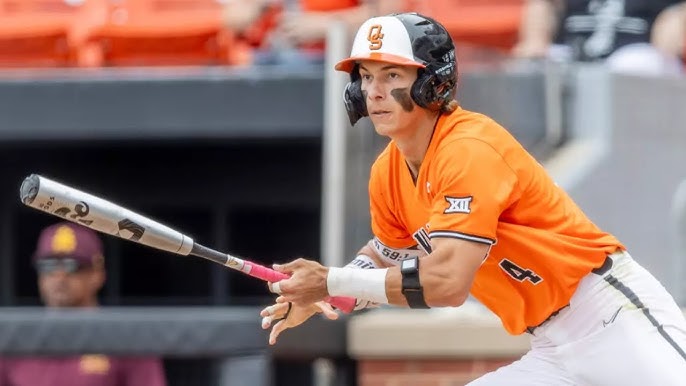
The St. Louis Cardinals have traded left-handed pitcher Nick Raquet to the Baltimore Orioles in exchange for 22-year-old outfielder/second baseman Brayden Smith, who was playing at the High-A level in the Orioles’ system.
Raquet, 30, was designated for assignment by the Cardinals over the weekend after failing to crack the Opening Day roster or make a significant impact in early Triple-A action. The veteran lefty’s story had been one of baseball’s more improbable feel-good tales — a former college arm who stepped away from the game to work in finance, only to return and earn a brief big-league look with St. Louis last season. But with the club needing 40-man roster space and younger arms pushing for opportunities, it was time to move on. Raquet’s departure opens a spot while sending a serviceable depth pitcher to a Baltimore club that values left-handed relief help.
In return, the Cardinals land a left-handed bat with defensive versatility and the kind of upside that could pay dividends in the coming years. Smith, drafted by the Orioles in the 13th round out of Oklahoma State in 2025.
Listed at 6-foot, 190 pounds, the Las Vegas native is a left-handed hitter who throws right-handed and has already shown the ability to play both second base and the outfield corners (with some time in center as well). Scouts describe his swing as compact and repeatable, with good bat-to-ball skills that were on display during his final college season at Oklahoma State, where he hit .304 with 11 home runs and 40 RBI in 54 games.
In his first full professional season last year with Single-A Delmarva, Smith posted a .200 average across a limited sample but showed encouraging on-base ability (.343 OBP) and the ability to drive the ball with authority when he connected. Early returns in 2026 have been minimal, but the bat speed and hand-eye coordination are there. He’s not a burner on the bases — more of a steady 10-15 steal guy — but he runs the bases intelligently and has the athleticism to handle multiple positions without looking out of place.
Defensively, Smith projects best as a utility-type who can provide everyday reps at second base or in the outfield. His arm is average to slightly above, and his footwork around the bag is clean enough that the Cardinals could fast-track him through the upper levels if the bat continues to progress. The power is more gap-to-gap right now, but there’s enough natural strength and leverage in his swing to believe he could develop into a 15-20 home run threat as he adds professional strength and experience.
At this stage, Smith profiles as organizational depth with a chance to become a versatile bench piece or even a platoon outfielder if everything clicks.