


The Florida Senate has unanimously passed a groundbreaking piece of legislation known as the Teddy Bridgewater Act, marking a significant shift in how high school coaches can support their student-athletes. Officially designated as CS/CS/SB 178, the bill—passed on February 19, 2026, with a 38-0 vote—directs the Florida High School Athletic Association (FHSAA) to adopt bylaws allowing head coaches in public schools (K-12) to use up to $15,000 of their own personal funds per athletic team per year to provide essential support for student-athletes.
This support is limited to specific areas: food, transportation, and recovery services. These provisions address basic needs that many student-athletes from underserved backgrounds face, such as reliable rides to practices and games, nutritious meals during long training days or travel, and access to recovery tools like ice baths, therapy, or other wellness resources to help prevent injuries and aid performance.
The bill includes key safeguards to maintain fairness and transparency. Coaches must report any such expenditures to the FHSAA, and the use of personal funds is presumed not to constitute an impermissible benefit under athletic rules—as long as it is done in good faith, properly documented, and not used for recruiting purposes or other violations. The $15,000 cap applies per team annually, preventing excessive or unequal advantages. The legislation also allows other organizations governing interscholastic athletics in Florida to adopt similar rules.
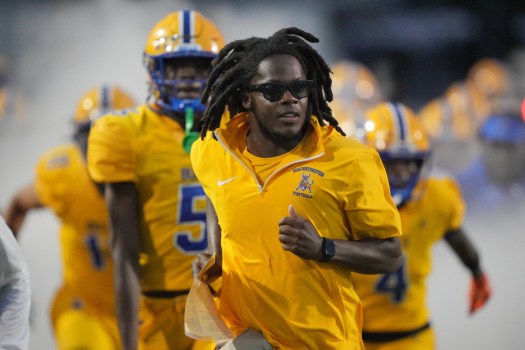
The act is named in honor of Teddy Bridgewater, the former NFL quarterback (known for stints with teams like the Minnesota Vikings, Denver Broncos, and Tampa Bay Buccaneers) who returned to his alma mater, Miami Northwestern Senior High School, as head football coach. Bridgewater, a Miami native who led the Bulls to a Class 3A state championship in 2024, drew from his own experiences growing up in challenging circumstances. He openly used personal funds—and sought community support—to cover expenses like Uber rides for players, pre-game meals, and athletic recovery services.
In a now-deleted social media post, Bridgewater detailed weekly costs such as $700 for transportation, $1,300 for recovery, and $2,200 for meals. While his intentions were to remove barriers so his players could focus on academics and athletics, these actions were reported by rival coaches and deemed impermissible benefits by the FHSAA and school officials. As a result, Bridgewater was suspended from coaching for the 2025 season.
The incident sparked widespread discussion about outdated rules in high school sports that sometimes penalize well-meaning coaches for addressing real needs in under-resourced communities. The Teddy Bridgewater Act directly responds to this, aiming to prevent similar punishments in the future while preserving the integrity of competition.
Supporters view the bill as a compassionate, practical update to high school athletic regulations—one that recognizes coaches often serve as mentors and surrogate family figures, especially in areas with economic hardship. Critics of strict “no benefits” policies have long argued that rigid enforcement can disproportionately harm student-athletes from low-income families, who may miss opportunities due to lack of basic support.
The legislation now heads to the Florida House of Representatives for consideration. If it passes there and is signed by Governor Ron DeSantis, it would take effect and require the FHSAA to implement the new bylaws.
Reactions have been largely positive across sports media and social platforms, with many praising it as a “huge win” for student-athletes and a model that other states might follow. As one observer noted, it formalizes what many dedicated coaches have done quietly for years—helping kids in need without fear of reprisal.
In an era where high school sports increasingly intersect with broader discussions on equity, welfare, and access, the Teddy Bridgewater Act stands out as a targeted reform rooted in one man’s goodwill and the realities faced by countless young athletes. Whether it becomes law or inspires similar changes elsewhere, it highlights the power of personal commitment to uplift the next generation.