


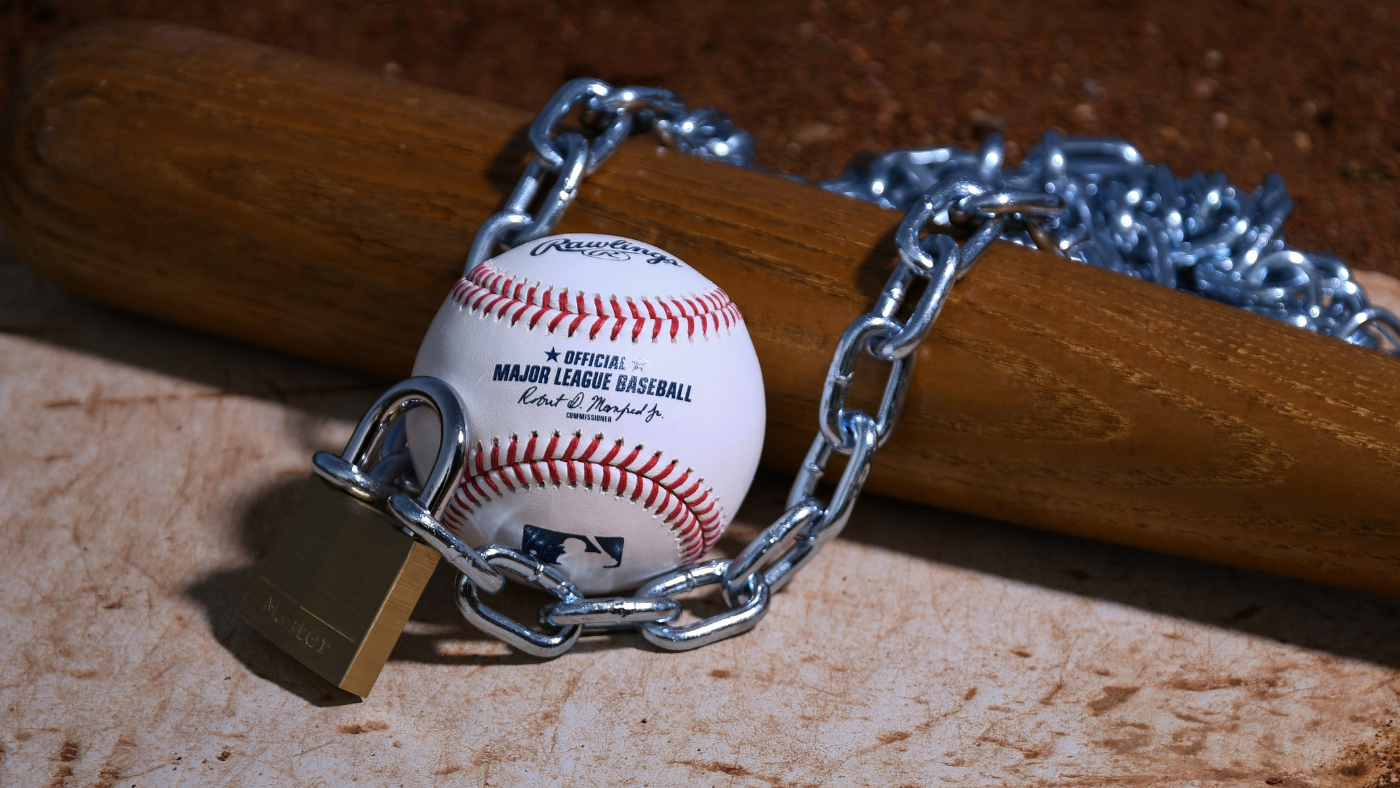
Major League Baseball’s current collective bargaining agreement is set to expire at 11:59 p.m. ET on December 1, and owners are preparing to lock out players immediately afterward, freezing all major-league transactions, contact between clubs and players on 40-man rosters, and access to team facilities until a new deal is reached.
The central impasse remains the owners’ push for a salary cap and floor system, which they argue is necessary to improve competitive balance between large- and small-market clubs. MLB is the only major North American professional sports league without a hard cap. The league’s most recent proposal, advanced in early November, would delay implementation until 2028 with a projected cap of $258.2 million and a floor of $180.2 million, while also raising the minimum salary and offering other concessions. Earlier versions of the offer were conditioned on the cap from the outset.
The MLB Players Association has rejected any salary-cap framework as a threat to player earnings, free-market mobility, and contractual guarantees. Interim executive director Bruce Meyer and other union leaders have described a cap as institutionalized collusion that would suppress salaries across the board and fail to address ownership practices or competitive issues rooted in player development and decision-making. The union has instead sought a higher minimum salary (targeting $1.5 million), a substantially larger pre-arbitration bonus pool, earlier free agency for certain older players, and other changes within the existing economic system.
Amid the stalled talks, the league is preparing for the possibility that the MLBPA could file a “disclaimer of interest” during a lockout. Under that maneuver, the association would temporarily step down as the players’ bargaining representative and reconstitute as a trade association. That step would end collective bargaining, strip players of certain labor-law protections, and open the door to antitrust lawsuits against MLB—potentially seeking treble damages. The Curt Flood Act of 1998 removed key elements of baseball’s historic antitrust exemption for player employment matters, making the option more viable than in earlier eras, though it remains a high-risk “nuclear option” that has not been used by the MLBPA in past negotiations. Similar tactics were employed by NFL and NBA unions in previous disputes.
Former major-league pitcher Trevor May has publicly attributed the owners’ insistence on a cap less to competitive balance than to a desire for greater predictability in franchise valuations and the ability to leverage those valuations for outside financing. Meanwhile, former player John VanderWal, a 14-year major-league veteran, has expressed skepticism that players would risk dissolving their union for an antitrust gamble, describing such talk as noise and noting that recent postseason success by lower-payroll clubs such as the Milwaukee Brewers and Tampa Bay Rays undercuts the competitive-balance argument.
While both sides have continued to meet, an extension of the current agreement is viewed as unlikely. A lockout would halt free-agent signings, trades involving major-league players, and most other offseason business, repeating the approach taken in the 99-day lockout that delayed the start of the 2022 season. Most observers still anticipate that a new deal will eventually be reached, as the financial stakes of a prolonged work stoppage remain high for owners and players alike, but the gulf over the salary-cap question has raised tensions and the prospect of a more contentious stoppage than the last one.