


The WNBA will introduce a fully centralized Replay Center beginning with the 2027 season, league officials announced Saturday ahead of the All-Star Game, marking one of the most significant investments in basketball operations in the league’s history.
Commissioner Cathy Engelbert confirmed the move during her media availability, stating the league will leverage the NBA’s established Replay Center in Secaucus, New Jersey. The system is designed to deliver greater consistency, efficiency, and transparency in officiating at a time when the league’s growth has brought heightened scrutiny to every call and no-call.
“This is one of the most significant investments we’ve ever made in our basketball operations,” Engelbert said. “These investments of tens of millions of dollars will help bring greater consistency, efficiency, and transparency to our officiating process while continuing to improve the quality of the game. Obviously, our big brothers, the NBA, have had a Replay Center for many years, so we’ll leverage some of their capabilities and add some innovation of our own.”
Under the new structure, the WNBA Replay Center will connect directly to every arena. When a play becomes eligible for review, broadcast and in-arena camera angles will transmit instantaneously to Secaucus. Replay personnel there will identify the most conclusive views and send them to the on-court crew, supported by additional staff and rotating officials when needed. The change shifts the process away from relying solely on the three officials present at each game.
Bethany Donaphin, head of WNBA League Operations, emphasized the broader purpose: “As the WNBA continues its extraordinary growth, we’re committed to investing in every aspect of the game, including the technology and resources that support players, teams, and officials. Leveraging the NBA’s state-of-the-art Replay Center is an important step in the continued evolution of our game.”
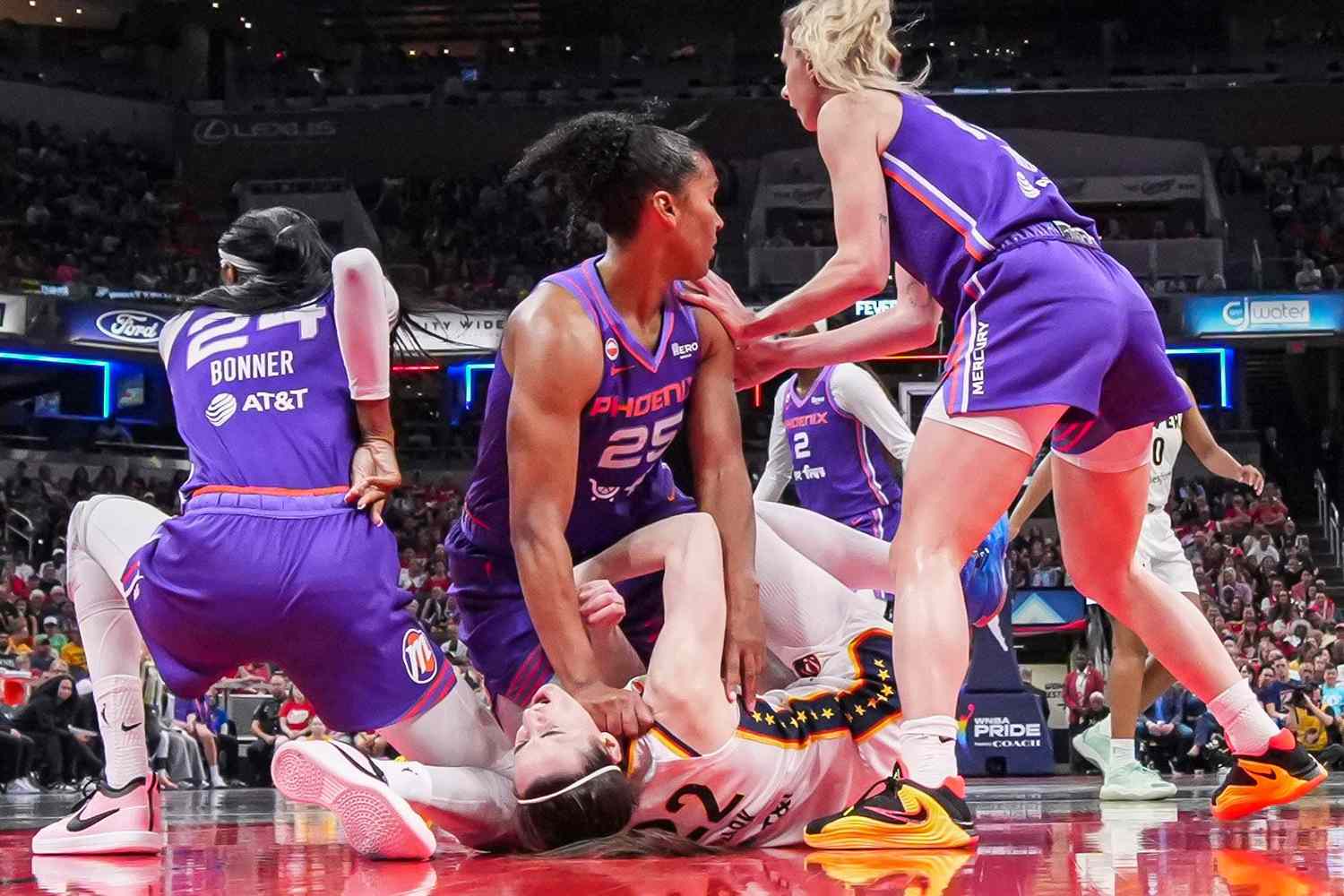
The timing is notable. The 2026 season has featured repeated questions about consistency and player protection, particularly surrounding Indiana Fever star Caitlin Clark. In late June, Phoenix Mercury forward Alyssa Thomas made contact with Clark’s throat during a scramble for a loose ball. No foul was called on the floor. The league later upgraded the play to a Flagrant 2 and suspended Thomas for one game. Fever coach Stephanie White expressed frustration that the contact went unrecognized in real time and reiterated long-standing calls for more consistent officiating of her star player.
Those moments, combined with other technical fouls, physical plays, and public debate, intensified pressure on the league to strengthen its review process. While the new Replay Center will not eliminate every disputed call, it is intended to reduce the number of missed or delayed decisions that have fueled controversy.
Engelbert noted that operational details are still being finalized, including technology installation across venues that host WNBA games. The league is also evaluating whether to adopt an NBA-style last-two-minute report, though no decision has been announced.
The announcement arrives as the WNBA continues its rapid expansion. The league is moving to a 50-game regular season in 2027 under the new collective bargaining agreement, reflecting surging demand and television interest. Adding a centralized replay system represents a parallel investment in the integrity of the product on the floor.
For a league that has seen its profile rise dramatically in recent seasons, the Replay Center is both a practical upgrade and a public acknowledgment that the standards of officiating must keep pace with the talent and attention now surrounding the game. Whether it delivers the consistency coaches, players, and fans have sought remains to be measured once the 2027 season tips off. For now, the WNBA has taken a clear step toward closing the gap.