

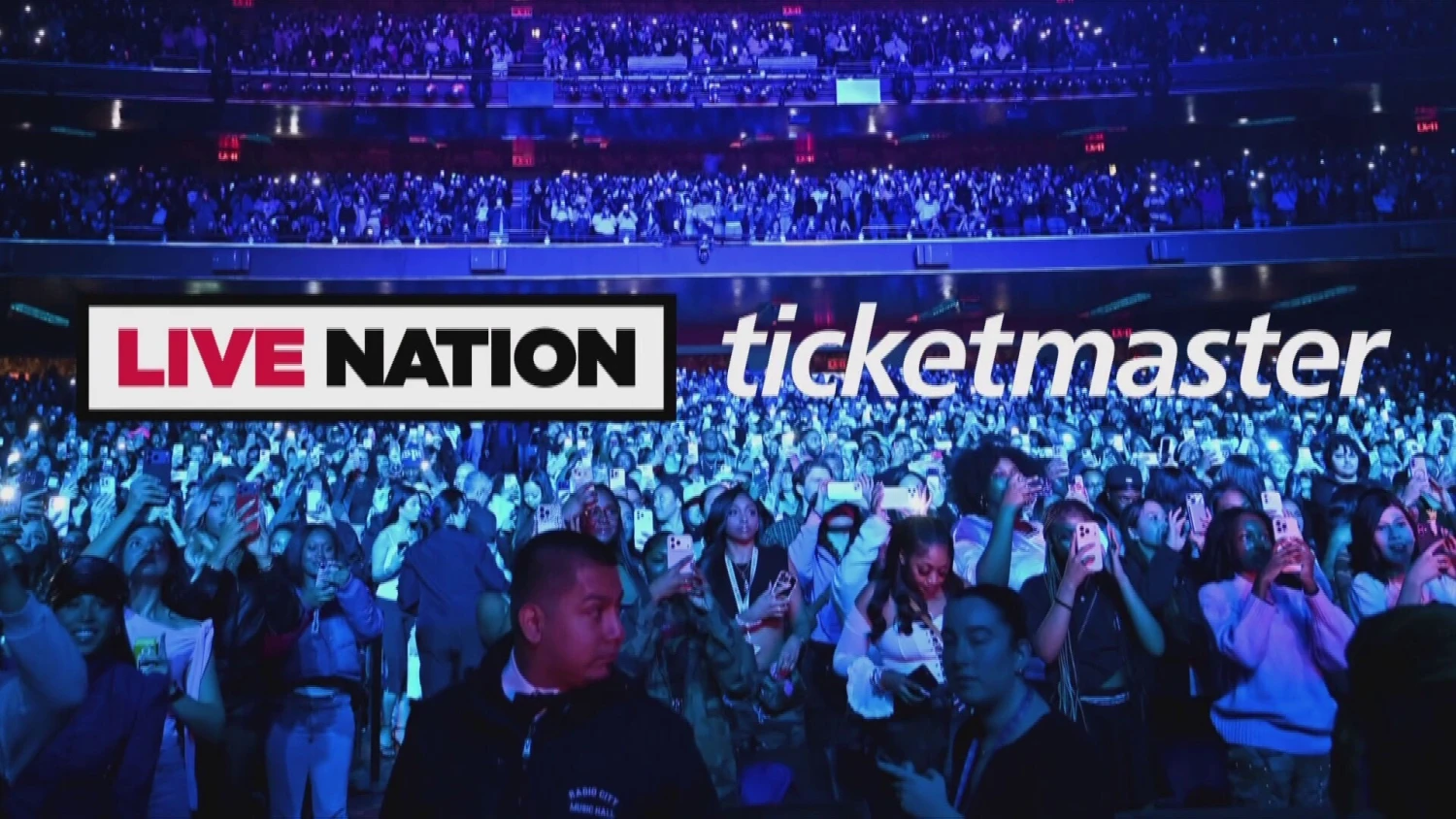
In a landmark antitrust ruling that could reshape the $30 billion live-music industry, a federal jury in Manhattan has found that Live Nation Entertainment and its ticketing subsidiary, Ticketmaster, illegally monopolized the market for concert ticketing and live-event promotion.
The verdict validates long-standing consumer complaints that the company’s dominance has stifled competition, limited choices for venues and artists, and driven up ticket prices and fees for fans across the country.
The case was brought by a coalition of 34 states (part of a larger group of nearly 40 attorneys general who originally joined the suit alongside the U.S. Department of Justice). After the DOJ reached a surprise settlement with Live Nation in early March 2026 — which included a $280 million fund for participating states, limited divestitures of amphitheaters, and behavioral changes such as opening Ticketmaster’s platform to rivals — dozens of states pressed forward with the trial.
Jurors deliberated for several days following six weeks of testimony from executives, venue operators, economists, and industry insiders. They concluded that Live Nation and Ticketmaster used their control over promotion, venues, and primary ticketing to lock out competitors, resulting in higher costs passed on to consumers. The states’ experts estimated that Ticketmaster overcharged by approximately $1.72 per ticket.
The jury’s liability verdict is only the first phase. U.S. District Judge Arun Subramanian will now preside over a second trial to determine remedies. These could include substantial monetary damages payable to the states — and potentially consumers — as well as structural changes to the company.
States are seeking aggressive remedies, including a possible breakup of Live Nation that would separate its ticketing arm (Ticketmaster), concert-promotion business, and venue ownership. Other options include forcing the sale of additional amphitheaters or imposing long-term restrictions on exclusive contracts.
Live Nation is expected to vigorously contest any breakup order and appeal the verdict. The company has consistently maintained that it operates in a competitive marketplace and that its integrated model benefits artists and fans by streamlining the live-event experience.
California Attorney General Rob Bonta, one of the lead plaintiffs, hailed the decision: “In the face of dwindling antitrust enforcement by the Trump administration, this verdict shows just how far states can go to protect our residents from big corporations that are using their power to illegally raise prices and rip off Americans.”
Legal observers called the ruling an “earthquake” for the industry, validating years of fan frustration over skyrocketing service fees, dynamic pricing, and the infamous Taylor Swift ticket-sale fiasco of 2022 that spotlighted Ticketmaster’s market power.
If upheld and followed by strong remedies, the verdict could open the door to greater competition in primary ticketing. Rivals such as SeatGeek, StubHub, and independent platforms may gain easier access to major venues, potentially lowering fees and giving artists and promoters more options.
However, experts caution that meaningful relief for concertgoers won’t happen overnight. Any breakup or divestiture would face appeals, and structural changes could take years to implement. In the short term, fans are likely to see continued high prices driven by strong demand for live events post-pandemic.
The case highlights a growing bipartisan push against corporate consolidation in entertainment. Red- and blue-state attorneys general stood together, underscoring that the issues transcend politics: when one company controls the venues, the tours, and the tickets, fans ultimately pay the price.
Live Nation shares fell sharply in after-hours trading following the news, reflecting investor uncertainty about the company’s future structure.
As the remedies phase begins, the eyes of the music industry — and millions of ticket buyers — will remain fixed on Judge Subramanian’s courtroom. For now, the jury has delivered a clear message: Ticketmaster and Live Nation’s grip on the market crossed the line into illegality. The fight over what comes next is just beginning.
Statement from Live Nation: