


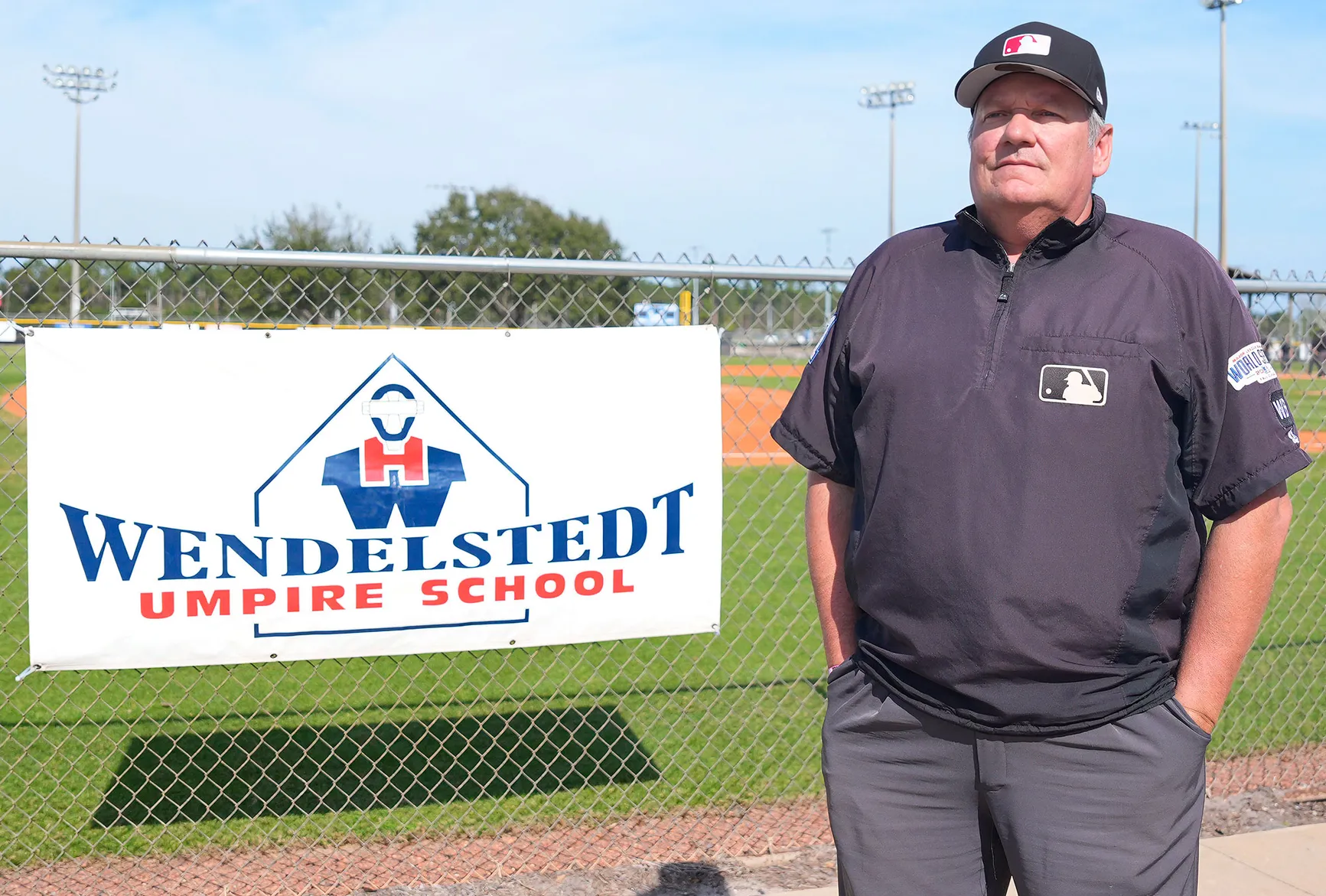
In the world of baseball, few institutions have been as synonymous with the art of umpiring as the Harry Wendelstedt Umpire School. For half a century, this Ormond Beach, Florida-based academy has been the premier training ground for aspiring umpires, producing more professionals for Major League Baseball than any other program. But as of February 2026, the school has called its final out, marking the end of a storied legacy amid evolving demands in the sport.
The roots of the Wendelstedt Umpire School trace back to 1938, when it was founded by Bill McGowan, a Hall of Fame umpire. Over the decades, it passed through various hands, including Al Somers, who ran it for two decades. In 1975, National League veteran Harry Wendelstedt took the reins, transforming it into a family-run powerhouse that outlasted all competing independent schools. Harry, who officiated for 32 years, instilled a rigorous curriculum that emphasized mechanics, rules, and the intangible “feel” of the game.
After Harry’s passing in 2012, his son Hunter—a 29-season MLB umpire—carried on the tradition. The school hosted students from over 11 countries, training umpires for levels ranging from youth leagues to the majors. Notably, over half of MLB’s 76 active umpires in 2026 are Wendelstedt graduates, earning it the nickname “the Harvard of umpire schools.” The four-week program, held annually from January to February, combined classroom instruction, field drills, and live games, all for a tuition of $2,500 (plus accommodations).
The decision to close came after MLB decided to centralize umpire training in-house, a move accelerated by the league’s acquisition of Minor League Baseball in 2021. Starting in 2022, MLB introduced free one-day camps across the U.S. and Dominican Republic, followed by all-expenses-paid month-long evaluations at the Jackie Robinson Training Complex in Vero Beach, Florida. This eliminated the “pay-to-play” model that independent schools like Wendelstedt relied on.
A key driver is the rapid integration of technology into umpiring. Innovations such as expanded replay reviews, pitch clocks, foreign substance checks, and the automated ball-strike system (ABS) have redefined the role. MLB’s in-house program provides early exposure to proprietary tools like pitch-tracking data, which independent schools cannot replicate. As Hunter Wendelstedt noted, “If they can put the resources into training their students with all the new pitch track technology and things that the future of umpiring is going to have to be, we obviously can’t do that.”
Without MLB certification, the school lost its direct pipeline to professional leagues, making operations unsustainable. The 2026 class, which concluded on February 4, was its 50th and final under the traditional format.
The closure reverberates far beyond MLB. The school not only funneled talent to the pros but also elevated amateur umpiring worldwide. Graduates often returned to their communities, sharing knowledge with local associations and addressing umpire shortages exacerbated by increasing abuse on the field. Jerry Layne, a retired 35-year MLB umpire and long-time instructor, warned of a “domino-effect” that could “hurt baseball,” particularly for high school and college levels.
International umpires, such as those from Taiwan or Japan’s Nippon Professional Baseball, benefited from the program’s global reach. Junior Valentine, the school’s chief instructor and an MLB umpire, emphasized its broader contribution: “I understand what Major League Baseball is doing… But I think what we provide is, it’s for the game of baseball… Those people take what they learn here, and they go back, and they share it.”
On a personal level, the school fostered a “family atmosphere,” with traditions like staff gatherings and home-cooked meals at the Wendelstedt residence. Hunter reflected emotionally: “It’s never the right time for something you love to go away.” He described the final days as feeling “like a funeral.”
While the traditional program ends, the Wendelstedt name may persist in shorter clinics or camps for non-professional levels. MLB officials, like senior vice president Michael Hill, highlight the benefits of their system: “We’ve tried to take advantage of all the technology and give our umpires exposure to it at the beginning of their careers… It just makes better umpires.” Director of Umpire Development Rich Rieker added that removing financial barriers creates more opportunities.
Yet, as Greta Langhenry, a graduate and one of the school’s female alumni, put it: “It’s the Harvard of umpire schools… It’s the best available anywhere in the world.” The closure signals a shift from tradition to tech-driven efficiency, but it leaves a void in the heart of baseball’s officiating community.
In the end, Hunter Wendelstedt hopes the legacy endures: “That’s our legacy, hopefully… That we have united a bunch of people with the love of umpiring.” As the dust settles on the fields of Ormond Beach, the Wendelstedt School’s influence will echo in every safe call and strikeout for years to come.