


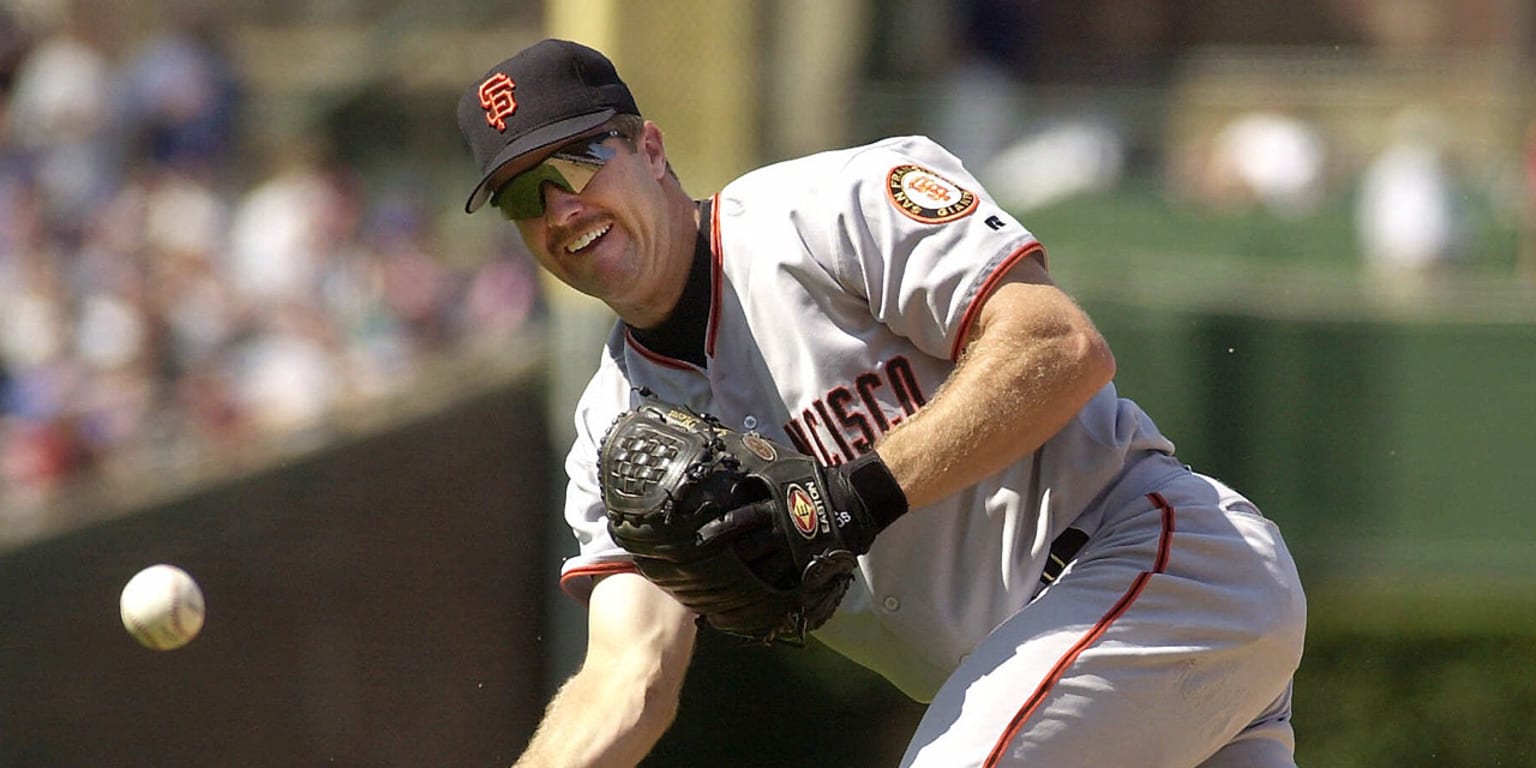
In a surprising turn of events that has sent ripples through the baseball world, Jeff Kent—long one of the game’s most underappreciated offensive forces—has been elected to the National Baseball Hall of Fame. The announcement came Sunday evening during the MLB Winter Meetings in Orlando, Florida, courtesy of the Contemporary Baseball Era Committee. Kent, the all-time home run leader among second basemen, garnered 14 out of 16 votes, surpassing the 75% threshold (12 votes) with room to spare. His induction cements a career defined by raw power, clutch performances, and a no-nonsense intensity that often divided fans but never dulled his bat.
Kent’s path to Cooperstown wasn’t a straight shot down the Pennsylvania Turnpike. After retiring following the 2008 season, he spent a decade on the Baseball Writers’ Association of America (BBWAA) ballot, peaking at just 46.5% in his final year of eligibility in 2023. Critics pointed to his middling defense, a prickly reputation, and questions about his postseason impact as reasons for the shortfall. But the Era Committee—comprising Hall of Famers like Juan Marichal, Fergie Jenkins, and Ozzie Smith, along with executives and media members—saw what the writers perhaps overlooked: a player who redefined what a second baseman could achieve with a swing.
Born in Bellflower, California, in 1968, Kent’s journey to the majors was anything but glamorous. Drafted in the 5th round by the Toronto Blue Jays out of the University of California, Berkeley in 1989, he toiled in the minors before debuting in 1992. His early years were a mixed bag: a brief stint with the Mets in 1992 where he hit .224 in 38 games, followed by a trade to the Cleveland Indians (now Guardians) in 1996, where he showed flashes of power but struggled for consistency.
It was his 1997 trade to the San Francisco Giants that ignited the Kent era. Batting behind—or occasionally ahead of—Barry Bonds in one of the most fearsome lineups of the late 1990s and early 2000s, Kent blossomed into a perennial All-Star and MVP contender. Over six seasons in San Francisco, he slugged 351 of his career 377 home runs, a mark that stands as the record for any second baseman in MLB history. His .297/.382/.500 slash line with the Giants was the stuff of nightmares for opposing pitchers, blending patience at the plate with prodigious power.
The pinnacle came in 2000, when Kent edged out Todd Helton for National League MVP honors. That year, he belted 37 homers, drove in 106 runs, and posted a 7.3 WAR—arguably the best season ever by a second baseman. He earned All-Star nods in 1998, 2000, and 2001, and played a pivotal role in the Giants’ march to the 2002 World Series, where they fell to the Angels in seven games.
Kent’s post-Giants career kept the production humming. He signed with the Houston Astros in 2003, delivering a walk-off homer in Game 5 of the NLCS against the St. Louis Cardinals—a three-run blast that kept Houston’s pennant hopes alive. From 2005 to 2008, he closed out his career with the Los Angeles Dodgers, adding 64 homers and helping the team to back-to-back NLCS appearances. Across 17 seasons, Kent amassed 2,461 hits, 560 doubles, 1,518 RBIs, and five Silver Slugger awards. His JAWS score (a Hall of Fame metric blending career and peak value) ranks him 12th among second basemen all-time, just behind fellow Hall of Famers like Roberto Alomar and Ryne Sandberg.
Yet, Kent’s legacy isn’t without asterisks. His glove work was average at best—he led the league in errors three times—and his clubhouse demeanor earned him as many detractors as admirers. A infamous 2002 dugout scuffle with Bonds, captured on camera during a Padres series, underscored the tension in San Francisco’s star-studded infield. And while Kent denied involvement in the steroid era, his era of dominance invited scrutiny, much like many of his peers.
Kent’s election stands out amid a ballot loaded with Hall-caliber talent, but shadowed by controversy. The Contemporary Era Committee considered eight candidates whose primary contributions came post-1980 and who had exhausted their BBWAA eligibility: Bonds, Roger Clemens, Carlos Delgado, Don Mattingly, Dale Murphy, Gary Sheffield, and Fernando Valenzuela. Kent was the lone inductee, with the others falling short—Bonds and Clemens reportedly receiving fewer than five votes each.
For Bonds and Clemens, the doors to Cooperstown remain firmly shut, their candidacies mired in the PED scandals that defined baseball’s “Steroid Era.” Bonds, Kent’s former teammate and the greatest hitter of his generation, topped out at 66% on the writers’ ballot in 2022 and fared no better here. Clemens, the seven-time Cy Young winner, has one final shot in the Classic Baseball Era ballot in 2028. The contrast is stark: Kent, a clean-slate power hitter, enters before the era’s biggest names, highlighting the Hall’s ongoing grapple with its character clause.
Other snubs stung too. Delgado’s 473 homers and quiet excellence at first base drew sympathy votes but not enough. Mattingly and Murphy, fan favorites from the 1980s, hovered around the margins as they have for years. Valenzuela, the Dodgers’ Fernandomania icon, and Sheffield rounded out a group that deserved deeper discussion. As one committee member quipped anonymously, “Kent’s bat spoke louder than the rest today.”
Kent’s induction speech on July 26, 2026, in Cooperstown will cap a Class that could include holdovers from the January 20 BBWAA announcement, such as Carlos Beltrán (70.3% last year) or Andruw Jones. Recent electees like Ichiro Suzuki, CC Sabathia, and Billy Wagner from 2025 add to the star power.
Congratulations, Jeff. Your plaque awaits.