

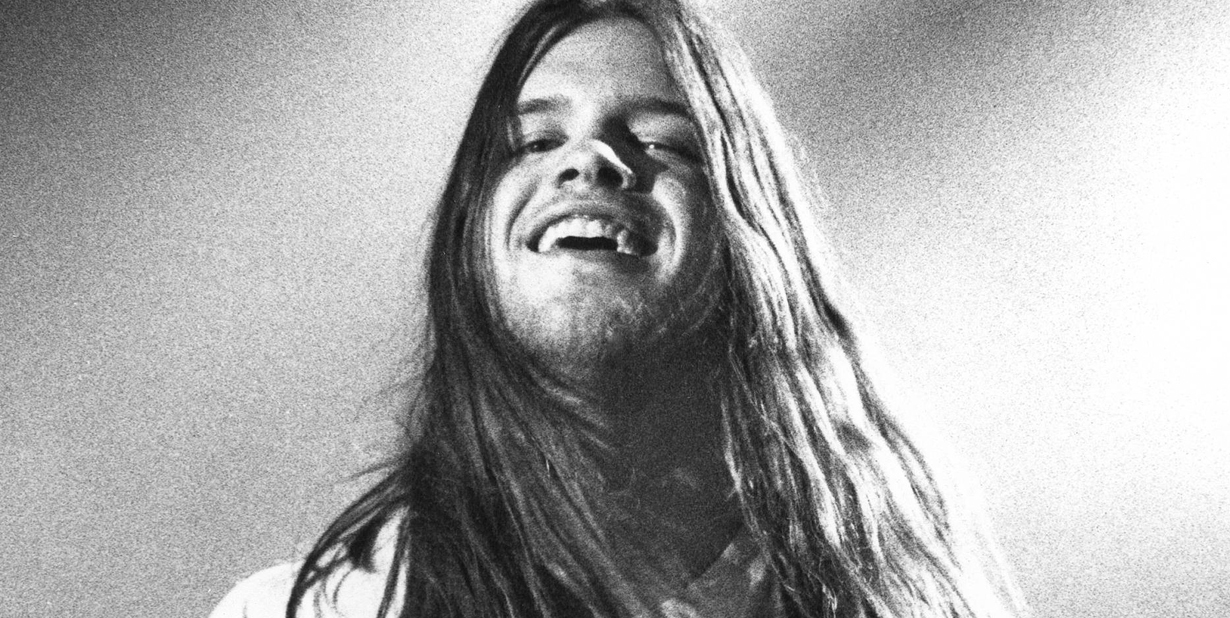
Three decades have passed since the music world lost one of its most enigmatic and soul-stirring voices. On this day in 1995, Shannon Hoon, the frontman of the alt-rock band Blind Melon, was found unresponsive on his tour bus outside a New Orleans venue. At just 28 years old, Hoon succumbed to a cocaine overdose, leaving behind a daughter, a grieving band, and a catalog of songs that continue to resonate with raw emotion and psychedelic flair. Today, fans, musicians, and admirers around the globe pause to honor his memory, sharing tributes on social media and reflecting on the indelible mark he left on ’90s rock.
Born Richard Shannon Hoon on September 26, 1967, in Lafayette, Indiana, Hoon grew up in the small town of Dayton, immersed in a blue-collar world shaped by his bricklayer father, Dick, and bar-manager mother, Nel. With an older half-sister, Anna, and half-brother, Tim, young Shannon was an athletic standout in high school—excelling in football, wrestling, and pole-vaulting at McCutcheon High School. But it was music that truly captured his spirit. Influenced by the Grateful Dead’s improvisational jams, The Beatles’ melodic genius, John Lennon’s introspective lyricism, and Bob Dylan’s poetic grit, Hoon penned his first song, “Change,” while fronting a local glam metal outfit called Styff Kytten after graduating in 1985.
By 1990, restless for bigger stages, Hoon traded Indiana’s heartland for the sun-soaked chaos of Los Angeles. Fate intervened at a party where he acoustically debuted “Change” for bassist Brad Smith and guitarist Rogers Stevens. Impressed, they recruited him, soon rounding out the lineup with guitarist Christopher Thorn and drummer Glen Graham. Blind Melon was born—named either after Smith’s dad’s term for neighborhood stoners or a nod to the trippy character Blind Melon Chitlin from Cheech & Chong’s repertoire. The band’s chemistry was electric, blending Hoon’s keening falsetto and confessional lyrics with a sound that echoed the psychedelic folk-rock of the ’70s while nodding to the grunge explosion of the early ’90s.
A demo tape led to a lucrative $500,000 deal with Capitol Records, and Hoon’s Lafayette roots even connected him to rock royalty: Axl Rose, another Indiana native and Anna’s high school acquaintance. Hoon contributed backing vocals to Guns N’ Roses’ Use Your Illusion I and II (1991), including on “The Garden” and “Don’t Cry,” and even cameo’d in the latter’s video. These early boosts set the stage for Blind Melon’s ascent.
The band’s self-titled debut album dropped in 1992, produced by Pearl Jam’s Rick Parashar. It simmered on the charts until the summer of ’93, when the single “No Rain” erupted. The video, featuring a tap-dancing “bee girl” (played by then-9-year-old Heather DeLoach) searching for kindred spirits amid indifferent crowds, became an MTV staple. Its whimsical yet wistful vibe captured Hoon’s essence—childlike wonder laced with melancholy—and propelled the album to multi-platinum status. Blind Melon toured relentlessly, opening for titans like Ozzy Osbourne, Soundgarden, and Guns N’ Roses, their live shows a whirlwind of Hoon’s shirtless, sweat-drenched charisma.
But beneath the success lurked shadows. Hoon’s battles with addiction were no secret; a 1993 Rolling Stone profile laid bare his struggles, and onstage antics—like urinating on a fan in Vancouver that year, leading to an indecent exposure charge—hinted at deeper turmoil. At Woodstock ’94, a hallucinatory high on LSD saw him don his girlfriend Lisa Crouse’s white dress, channeling a raw, unfiltered vulnerability that endeared him to fans but alarmed his bandmates. He entered rehab twice—once in May 1994 and again in June 1995—yet the cycle persisted.
In July 1995, amid personal joy, Hoon welcomed daughter Nico Blue with Crouse, a bright spot in his darkening world. That August, Blind Melon released Soup, a bolder, brassier follow-up to their debut. Recorded in New Orleans, it delved into surreal themes with tracks like “Galaxie” and “Mouthful of Cavities,” showcasing Hoon’s growth as a songwriter. Critics hailed it as a cult gem, though commercial success eluded it—foreshadowing the band’s unraveling. A tour counselor was hired for Hoon but dismissed after a week, a decision that would haunt the group.
The end came swiftly. After a gig at Houston’s Numbers club on October 20, 1995, Hoon binged through the night. The next morning, en route to Tipitina’s in New Orleans for a soundcheck, sound engineer Lyle Eaves discovered him lifeless on the bus. Paramedics pronounced him dead at the scene: cocaine overdose, the final toll of a demon he’d fought publicly and privately. Hoon was laid to rest in Dayton Cemetery, his headstone etched with lyrics from “Change”: “I know we can’t all stay here forever / So I want to write my words on the face of today and they’ll paint it.”
Blind Melon staggered on without him. In 1996, they released Nico, a poignant tribute album named for his daughter, with all proceeds aiding her and musician recovery programs. A companion video, Letters from a Porcupine, earned a Grammy nod for Best Long Form Music Video in 1997. The band auditioned replacements but disbanded in 1999, reforming in 2006 with singer Travis Warren. Yet Hoon’s absence loomed large; as bassist Brad Smith later reflected, no one could fill his shoes.
Hoon’s legacy endures as a cautionary yet celebratory tale. Books like Greg Prato’s 2008 A Devil on One Shoulder and an Angel on the Other and its 2021 sequel Shannon chronicle his duality through interviews with friends and fans. The 2019 documentary All I Can Say—pieced from Hoon’s own handheld footage spanning 1990–1995—offers an intimate portal into his mind, earning acclaim at Tribeca and a wide release in 2020. Artists from Dream Theater to The Avett Brothers have nodded to him in lyrics, while bands like The Sempiternal Hoon formed in his honor.
On this 30th anniversary, social media pulses with heartfelt remembrances: Threads users declare “he lives on through his music,” Facebook groups share archival clips, and Instagram reels revisit Soup‘s underrated depths. Glide Magazine captures the sentiment: Blind Melon “hit paydirt” with their debut, but Hoon’s siren call—equal parts honey and heartache—remains their sweetest sting.
Shannon Hoon didn’t just sing; he poured his fractured light into every note, reminding us that even in the rain, there’s room for bees to dance. Thirty years on, his words endure, painted boldly on the face of today.